



Mentiras verdaderas
2011
star 5.5
Daily interviews discussing the guest's personal lives and national contingency.
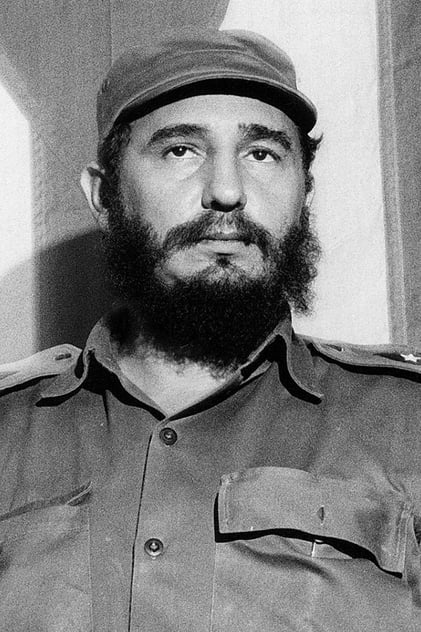
Acting
Fidel Alejandro Castro Ruz (13 August 1926 – 25 November 2016) was a Cuban revolutionary and politician who served as Prime Minister of Cuba from 1959 to 1976 and President from 1976 to 2008. Ideologically a Marxist–Leninist and Cuban nationalist, he also served as the First Secretary of the Communist Party of Cuba from 1961 until 2011. Under his administration, Cuba became a one-party communist state; industry and business were nationalized, and state socialist reforms were implemented throughout society.
Born in Birán, Oriente, the son of a wealthy Spanish farmer, Castro adopted leftist and anti-imperialist ideas while studying law at the University of Havana. After participating in rebellions against right-wing governments in the Dominican Republic and Colombia, he planned the overthrow of Cuban President Fulgencio Batista, launching a failed attack on the Moncada Barracks in 1953. After a year's imprisonment, Castro traveled to Mexico where he formed a revolutionary group, the 26th of July Movement, with his brother Raúl Castro and Ernesto "Che" Guevara. Returning to Cuba, Castro took a key role in the Cuban Revolution by leading the Movement in a guerrilla war against Batista's forces from the Sierra Maestra. After Batista's overthrow in 1959, Castro assumed military and political power as Cuba's Prime Minister. The United States came to oppose Castro's government and unsuccessfully attempted to remove him by assassination, economic blockade, and counter-revolution, including the Bay of Pigs Invasion of 1961. Countering these threats, Castro aligned with the Soviet Union and allowed the Soviets to place nuclear weapons in Cuba, resulting in the Cuban Missile Crisis – a defining incident of the Cold War – in 1962.
Adopting a Marxist–Leninist model of development, Castro converted Cuba into a one-party, socialist state under Communist Party rule, the first in the Western Hemisphere. Policies introducing central economic planning and expanding healthcare and education were accompanied by state control of the press and the suppression of internal dissent. Abroad, Castro supported anti-imperialist revolutionary groups, backing the establishment of Marxist governments in Chile, Nicaragua, and Grenada, as well as sending troops to aid allies in the Yom Kippur, Ogaden, and Angolan Civil War. These actions, coupled with Castro's leadership of the Non-Aligned Movement from 1979 to 1983 and Cuba's medical internationalism, increased Cuba's profile on the world stage. Following the Soviet Union's dissolution in 1991, Castro led Cuba through the economic downturn of the "Special Period", embracing environmentalist and anti-globalization ideas. In the 2000s, Castro forged alliances in the Latin American "pink tide" – namely with Hugo Chávez's Venezuela – and formed the Bolivarian Alliance for the Americas. In 2006, Castro transferred his responsibilities to Vice President Raúl Castro, who was elected to the presidency by the National Assembly in 2008. Description above from the Wikipedia article Fidel Castro, licensed under CC-BY-SA, full list of contributors on Wikipedia.
Browse movies and TV shows featuring Fidel Castro
Daily interviews discussing the guest's personal lives and national contingency.
This documentary series, made in partnership with Vox, explain some of the world's current trends, from politic...
World in Action was Granada Television’s flagship ITV current affairs series, running from 7 Jan 1963 to 7 Dec...
The Tonight Show with Conan O'Brien is an American television talk show broadcast by NBC. The show is the fifth...
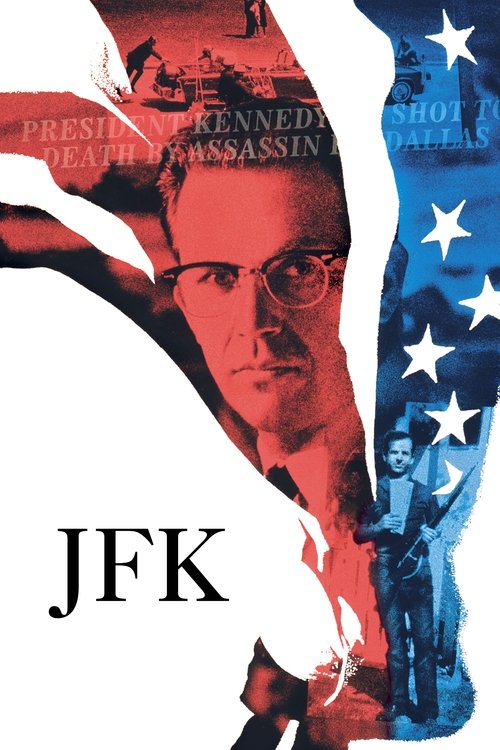
Follows the investigation into the assassination of President John F. Kennedy led by New Orleans district attor...
A French current affairs show.
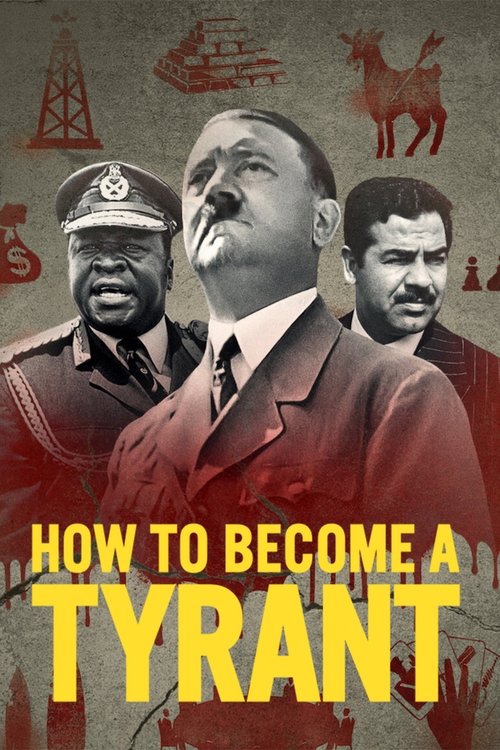
The documentary series explores different political figures throughout history.
The spy game is a serious business, and throughout history, the tools and technologies developed for it have ma...
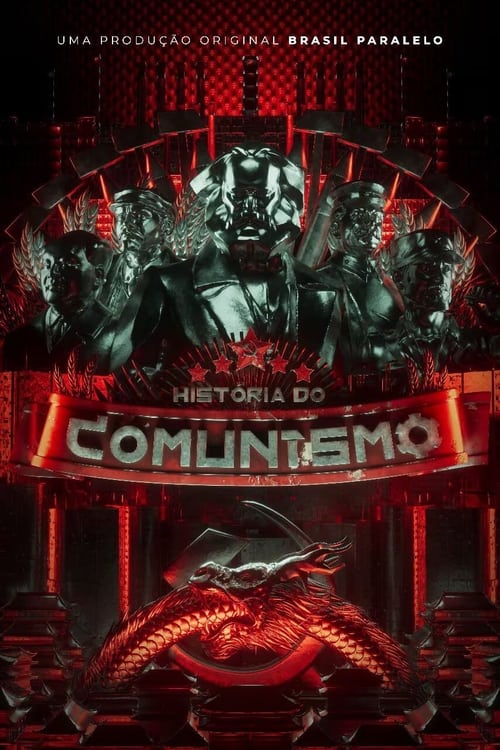
Communism spread to all of the continents of the word, lasting through four generations and over seven decades....
Historic footage and leading voices of the era examine the "Bobby Phenomenon" of the 1960s and the legacy of th...
Copenhagen, Denmark, 1962. When a high-ranking Soviet official decides to change sides, a French intelligence a...
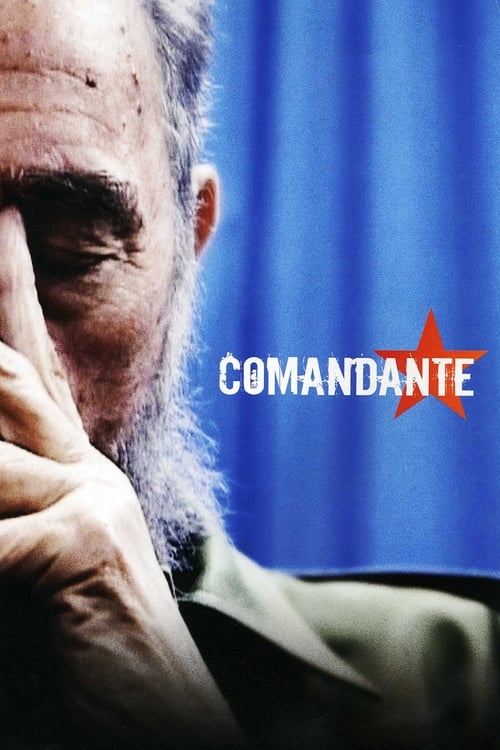
Oliver Stone spends three days filming with Fidel Castro in Cuba, discussing an array of subjects with the pres...
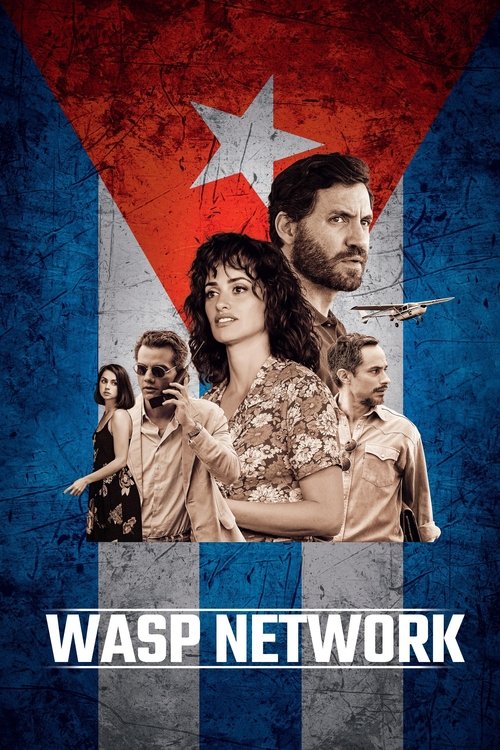
Havana, Cuba, 1990. René González, an airplane pilot, unexpectedly flees the country, leaving behind his wife O...
Investigative news magazine on Chile's social and political contingency.
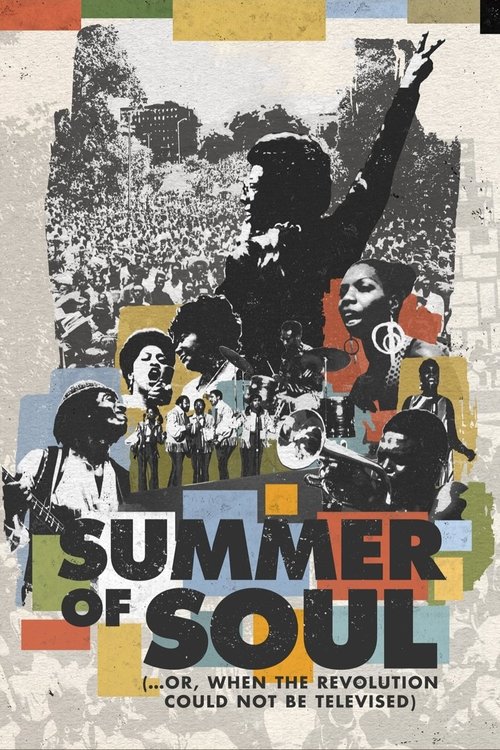
During the same summer as Woodstock, over 300,000 people attended the Harlem Cultural Festival, celebrating Afr...
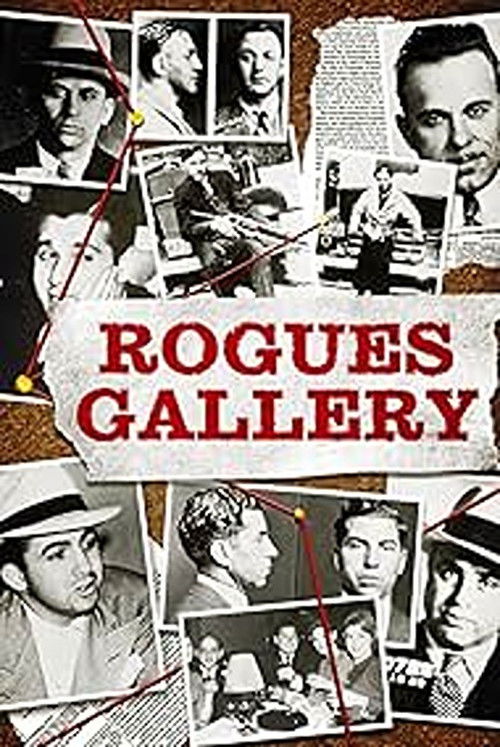
Fascinating biographies featuring the lives and personalities of some of the most notorious mobsters: Al Capone...
For decades, Twin Cities PBS (TPT) has dived into the whitewater of bygone eras and emerged with insight about...
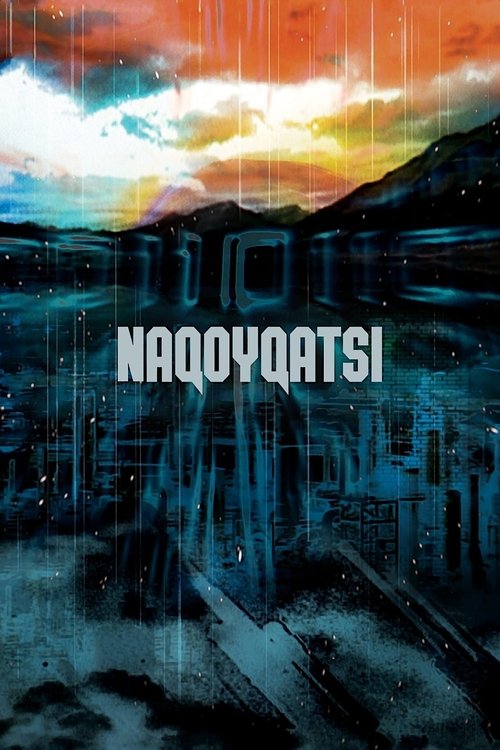
A visual montage portrait of our contemporary world dominated by globalized technology and violence.
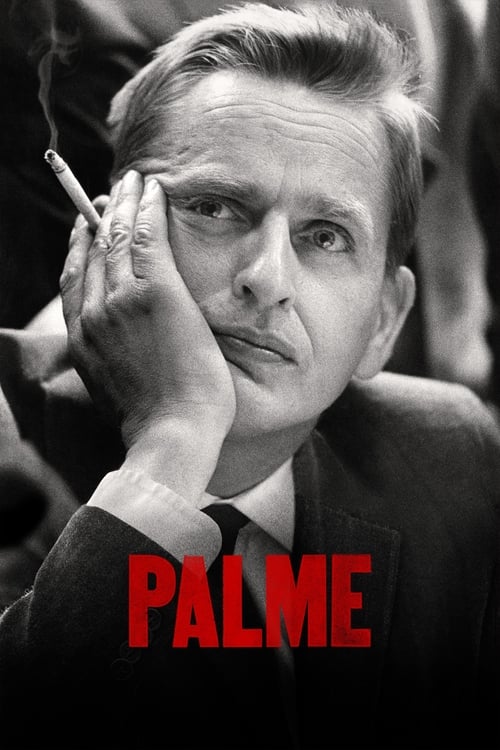
Swedish Prime Minister Olof Palme was openly shot to death on a February evening 1986 on the streets of Stockho...
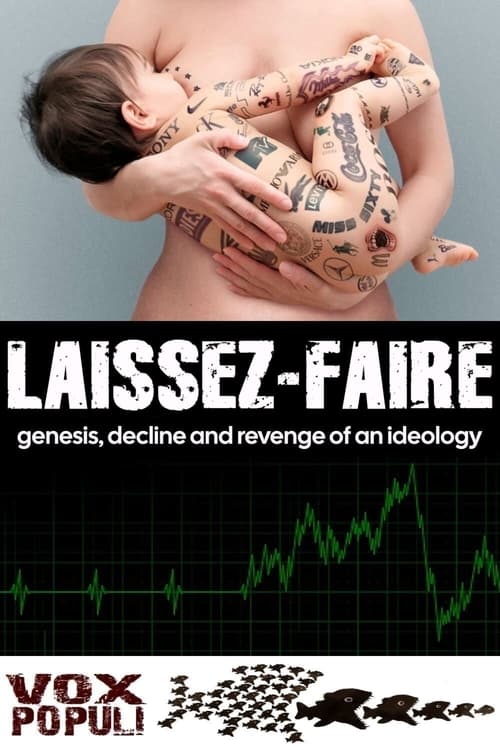
A historical perspective to understand Neoliberalism and to understand why this ideology today so profoundly in...
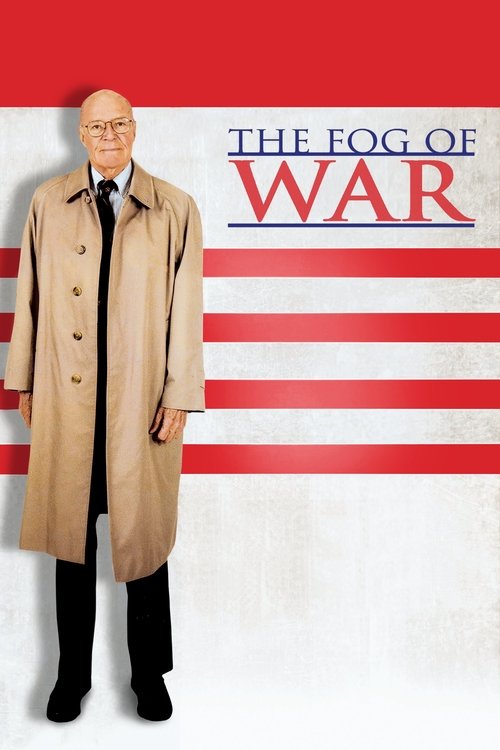
Using archival footage, cabinet conversation recordings, and an interview of the 85-year-old Robert McNamara, T...
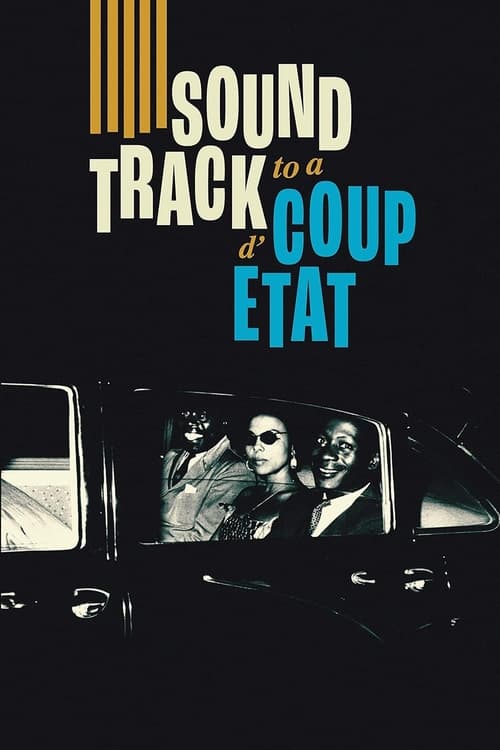
Jazz and decolonization are intertwined in a powerful narrative that recounts one of the tensest episodes of th...
A look back at the first 21 years of Britain's most successful film series.
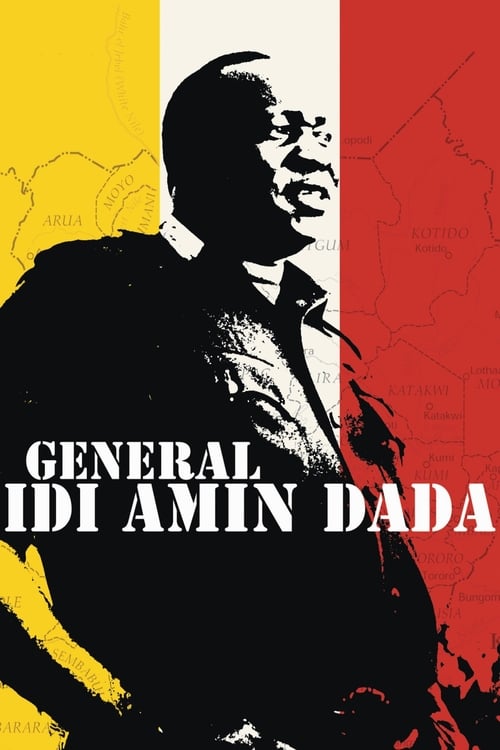
Filmmaker Barbet Schroeder shows the Ugandan dictator meeting his Cabinet, reviewing his troops, explaining his...
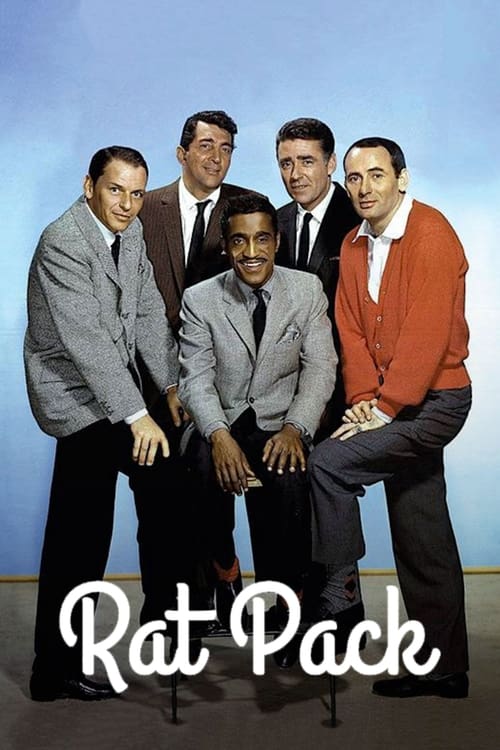
In the 1950s, a small group of artists monopolized the attention of the cameras and the public. Frank Sinatra,...
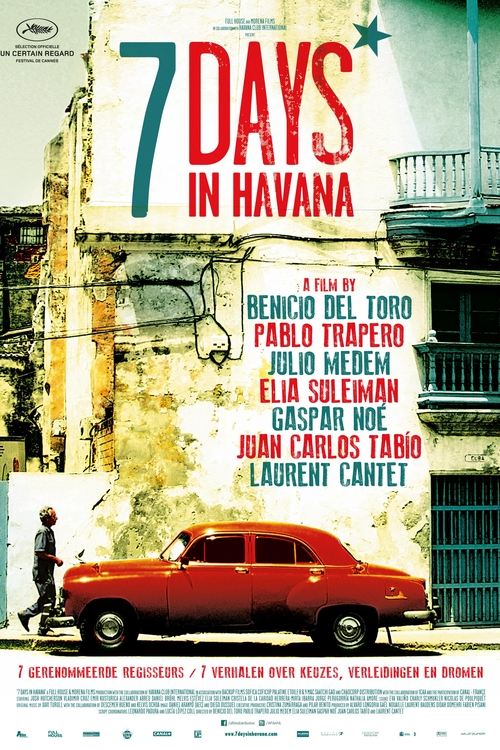
A lesbian, an aspiring actor, an aspiring singer, a low-class marriage, a neighborhood community and 2 renowned...

illustrates how directors pushed boundaries and altered the art of filmmaking during the turbulent, swinging 19...
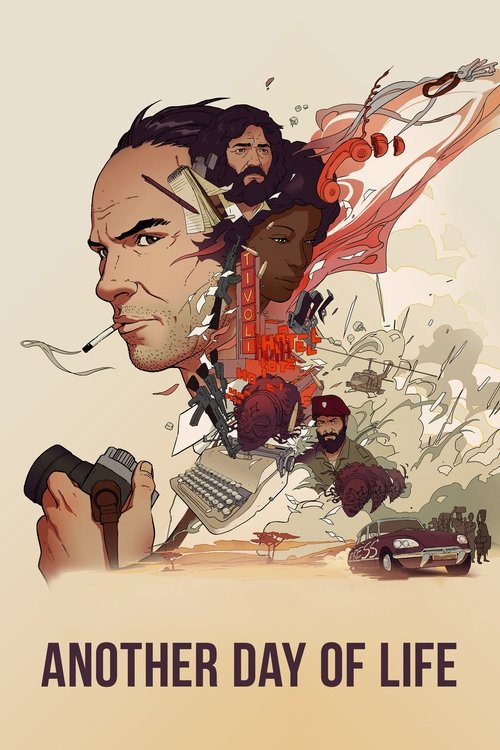
In 1975, Ryszard Kapuściński, a veteran Polish journalist, embarked on a seemingly suicidal road trip into the...
In seven different parts, Godard, Ivens, Klein, Lelouch, Marker, Resnais, and Varda show their sympathy for the...
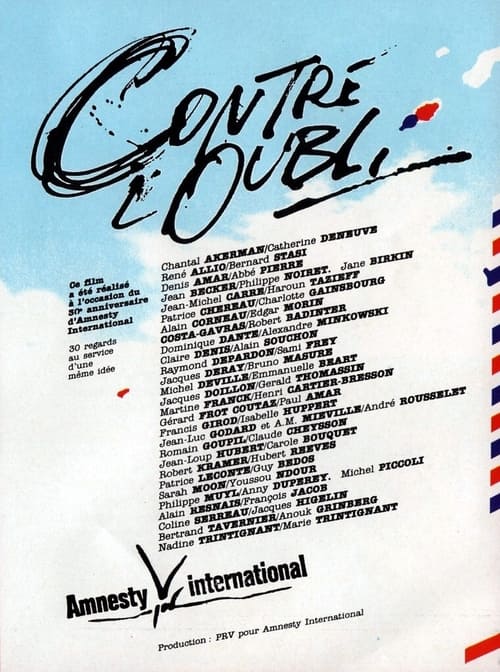
A compilation of 30 French filmmakers, Alain Resnais and Jean Luc Godard among them, who use film to make a ple...
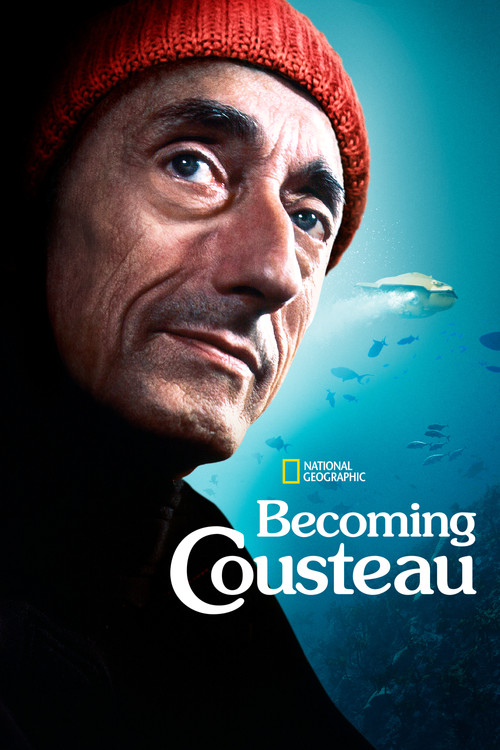
Adventurer, filmmaker, inventor, author, unlikely celebrity and conservationist: For over four decades, Jacques...
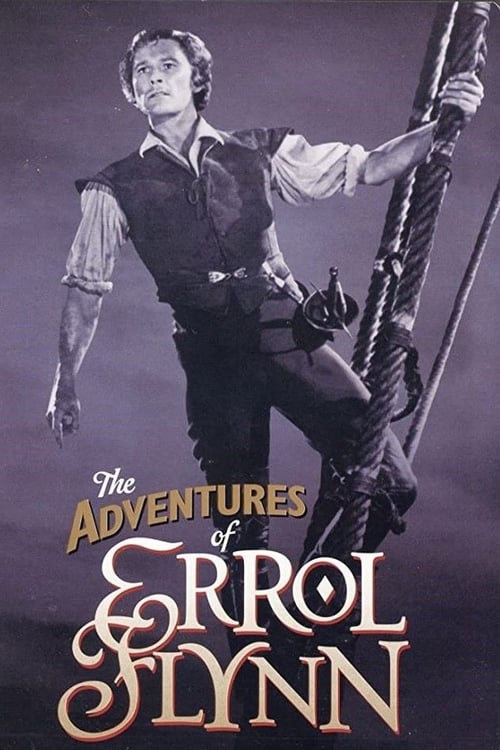
A documentary about the life of Errol Flynn, with recollections from friends and family.