


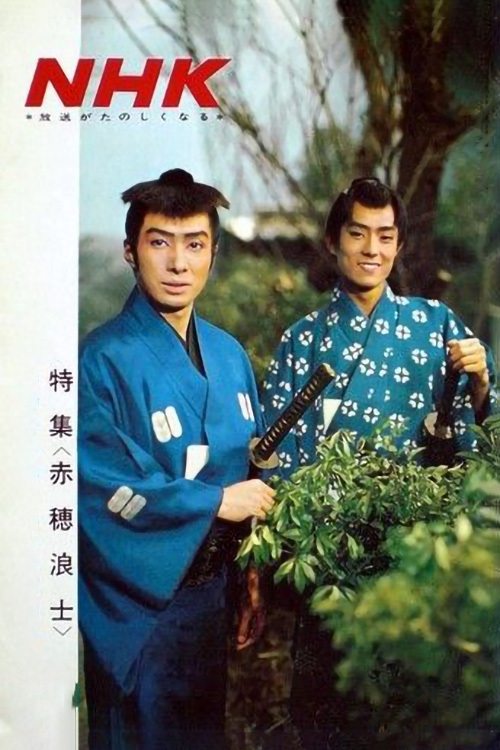
Akō Rōshi
1964
star 7.5
"Ako Roshi" is a group of 47 former retainers of Lord Asano. Lord Asano was forced to commit suicide after atte...
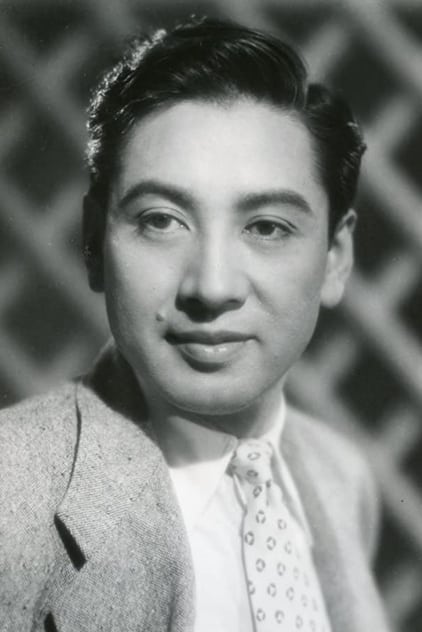
Acting
Kazuo Hasegawa was a Japanese film and stage actor. He appeared in over 300 films from 1927 to 1963.
Born to a sake brewing family in Kyoto, he first appeared on stage at age five in a theater run by his family as a side business. In 1918, he became a student of Nakamura Ganjirō I and performed kabuki in the Kansai region. He joined the Shochiku studio in 1927 and made his film debut in Chigo no kenpō under the name Chōjirō Hayashi. His good looks and graceful fighting style made him a major jidaigeki star, and he appeared in more than 120 films for Shochiku in 11 years, with the best works being directed by Teinosuke Kinugasa. He moved to the Toho studio in 1937. On 11 November 1937, however, he was attacked by ruffians and his face slashed with razor blades. According to the historian Daisuke Miyao, "Even though there was no clear evidence, it was widely assumed that this violent incident was Shochiku's retaliatory measure against Hayashi's so-called betrayal." He recovered and changed his stage name to his real name, Kazuo Hasegawa. Hasegawa appeared in many successful films for Toho, including several "national-policy pictures with Chinese settings," such as Song of the White Orchid (1939) and China Night (1940), with co-star Ri Koran. He moved to Daiei Film in 1950 and continued appearing in the popular Zenigata Heiji series. He also appeared in many classic films including Kozaburo Yoshimura's The Tale of Genji (1951), Kinugasa's Gate of Hell (1953), and Kenji Mizoguchi's The Crucified Lovers (1954). He was appointed to Daiei's board of directors in 1957. To celebrate his 300th film, Hasegawa appeared in a new version of Yukinojō henge (known abroad as An Actor's Revenge) in 1963, directed by Kon Ichikawa. He left Daiei that year and continued to appear on stage and television, including starring in the second NHK Taiga drama Akō Rōshi in 1964. He also directed the Takarazuka Revue version of The Rose of Versailles in 1974.
Browse movies and TV shows featuring Kazuo Hasegawa
"Ako Roshi" is a group of 47 former retainers of Lord Asano. Lord Asano was forced to commit suicide after atte...

When the wife of a 17th-century Kyoto scrollmaker is falsely accused of having an affair with his best employee...
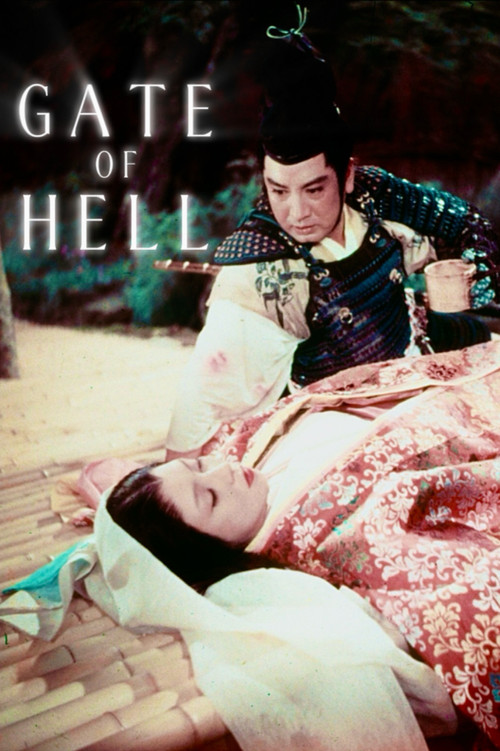
Japan, 1159. Moritō, a brave samurai, performs a heroic act by rescuing the lovely Kesa during a violent uprisi...
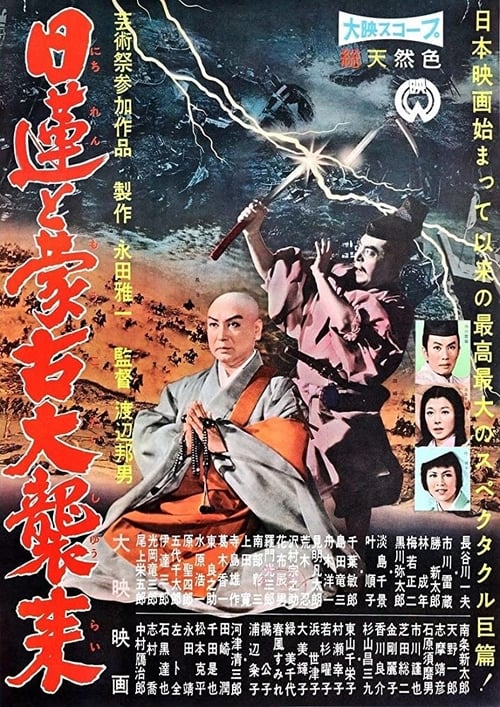
During the 1200's, legendary Buddhist monk Nichiren returns from his studies to lead Japan out of moral crisis...
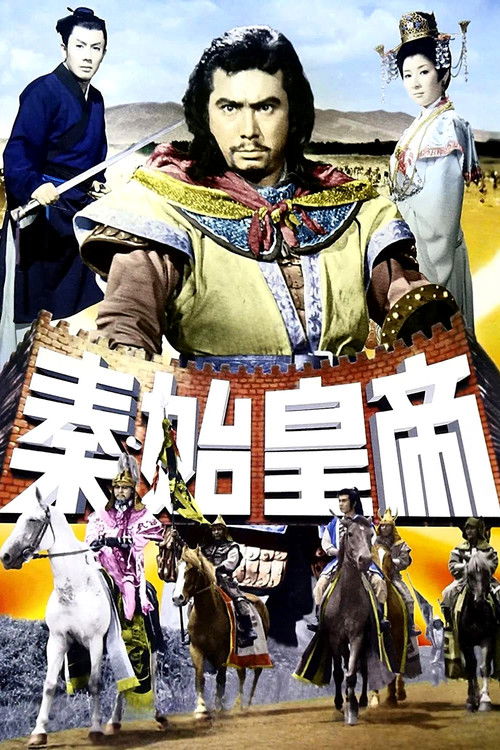
In 221 BC, Qin Shihuangdi conquered the rest of China. Qin's great accomplishments and also his serious faults...
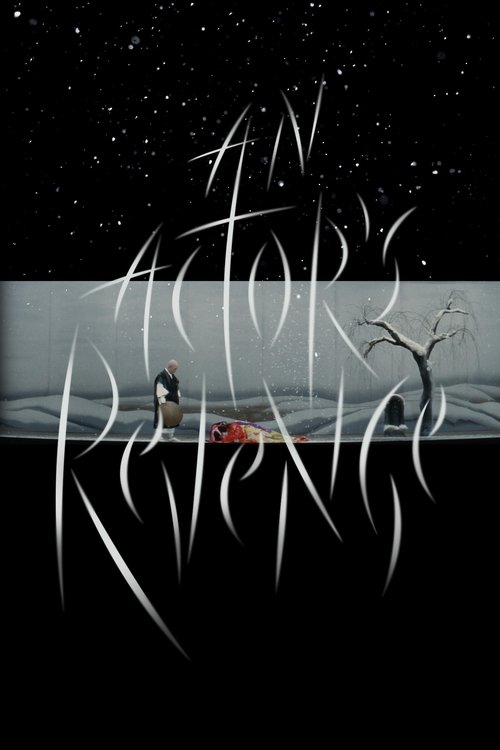
In Edo Japan, a kabuki actor seeks revenge against the three men who drove his parents to their deaths years ag...
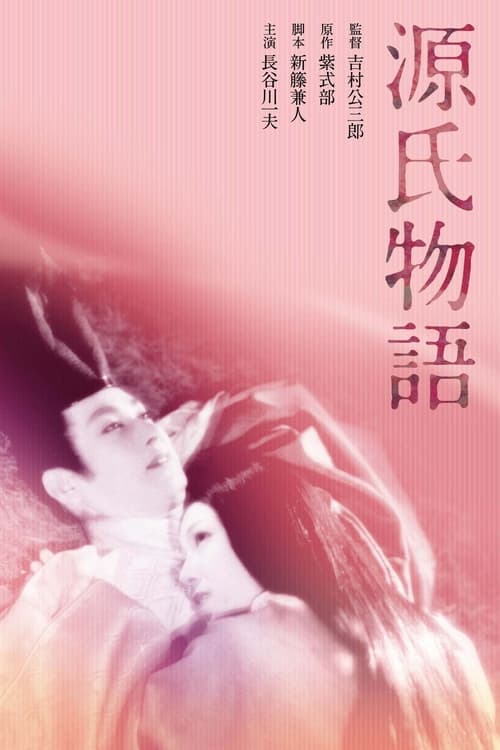
Genji, the illegitimate offspring of a Japanese potentate, goes by the philosophy of "love 'em and leave 'em" a...
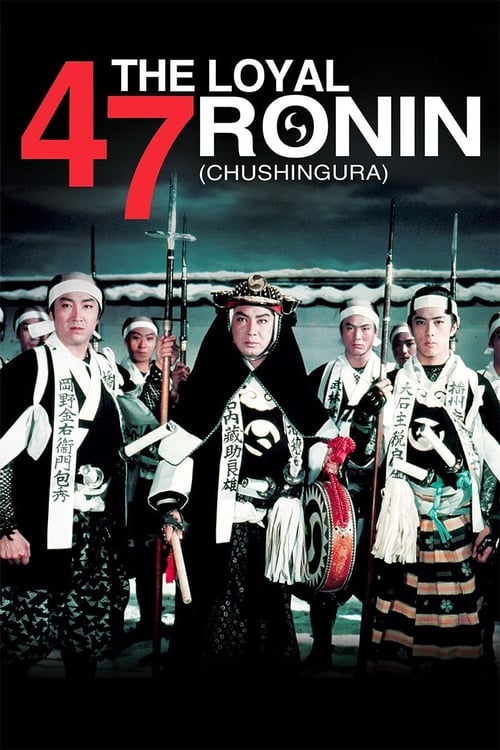
Japan, 1701. A group of samurai become rônin after their lord is forced to commit seppuku for assaulting a cour...
Mr. Tsurujiro is a Japanese folk singer assisted by Ms. Tsuruhachi on the shamisen. The pair is popular, but he...
This epic depicts the battle between Uesugi Kenshin and Takeda Shingen. The focus of the story is the struggle...
A Girl isn't Allowed to Love is a 1955 Japanese film directed by Teinosuke Kinugasa.
A sentimental tale of the filial love between shogun Iemitsu (matinee idol Hasegawa) and his loyal old retainer...
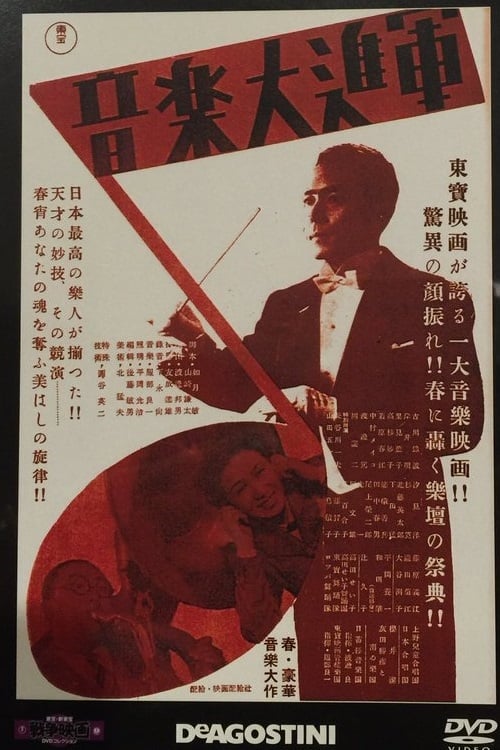
A 1943 film.
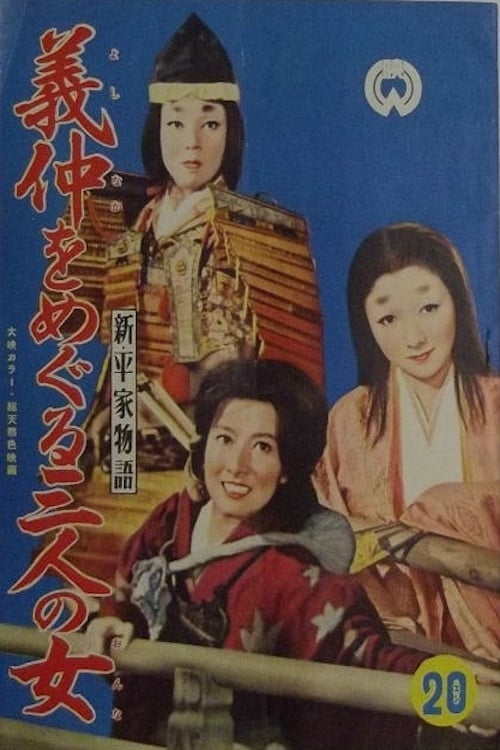
The story of Yoshinaka during the tumultuous period of warring related to us in the Heike Monogatari. Close in...

1942 adaptation of Izumi Kyoka's novel.
The exciting story of Jirocho and his yakuza gang that controlled the area of the Tokaido during the latter day...
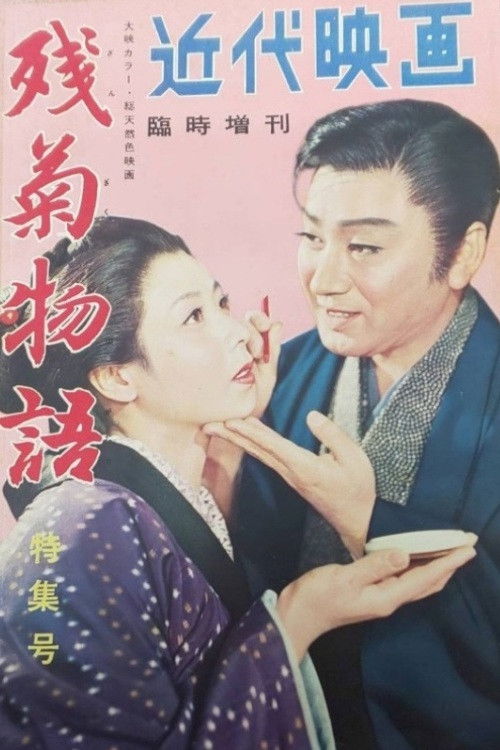
Based on the novel by Shofu Muramatsu, the film is dedicated to the actors of the renowned Japanese Kabuki thea...
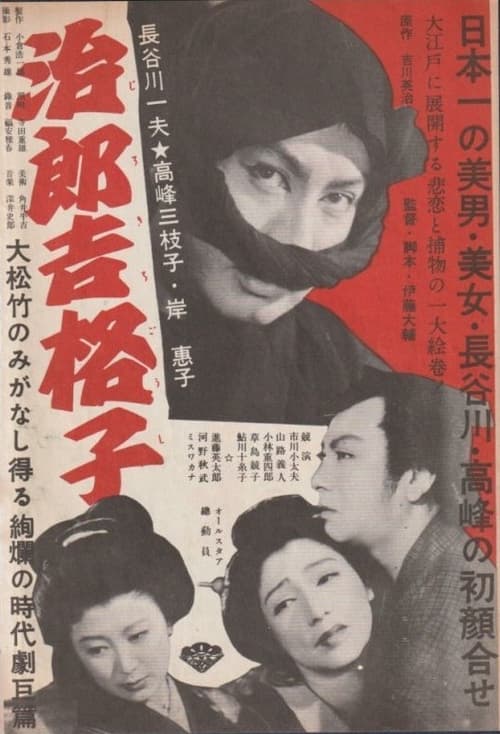
Aboard a ship connecting Kyoto and Osaka, Osan was pickpocketed by a sham blind biwa player. A man who looked l...
Aboard a ship connecting Kyoto and Osaka, Osan was pickpocketed by a sham blind biwa player. A man who looked l...
The film depicts how the work to build the Great Buddha overcame a number of obstacles as proponents and oppone...
Song of the White Orchid was a co-production of Toho and Mantetsu, the railway that served the colonial region...
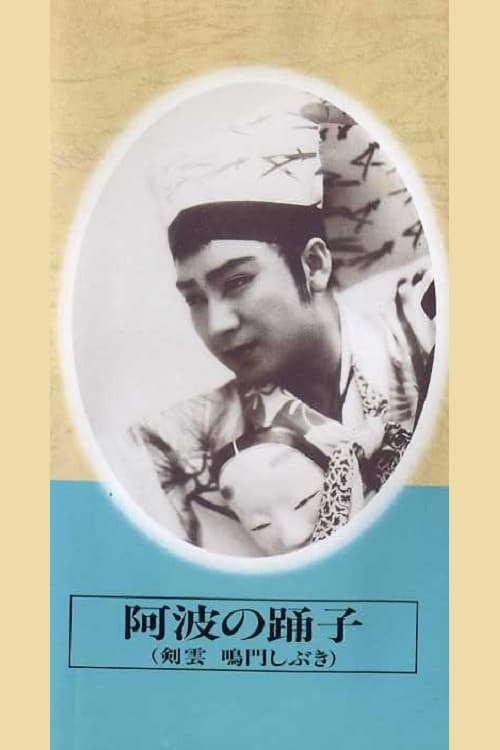
Jurobei, a kaisen tonya (wholesaler in port) in Awa, was wronged and killed on the day of the Dance Festival by...
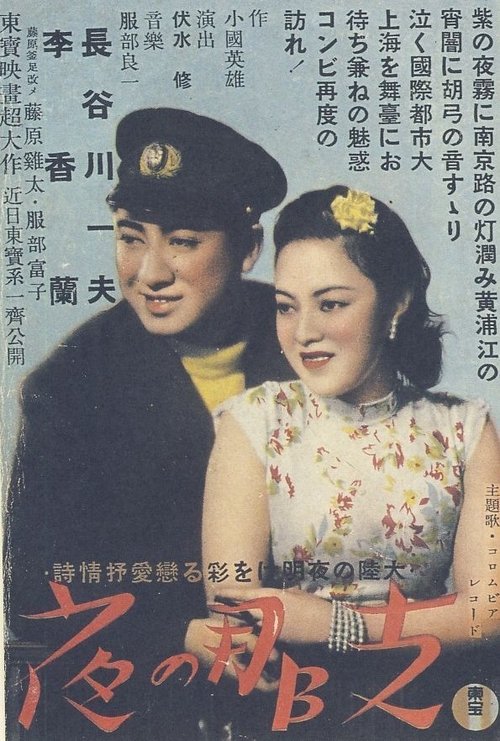
Wartime propaganda filmed by the Japanese in occupied China, Shirley Yamaguchi portrays an orphan rescued from...
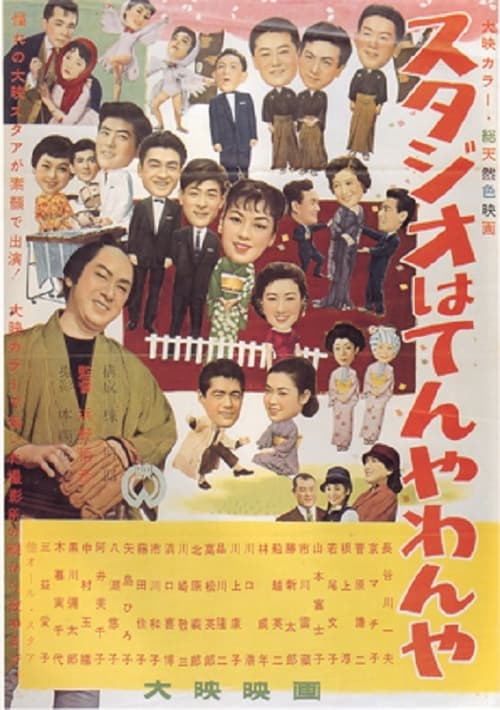
A studio introduction version for Daiei Stars.
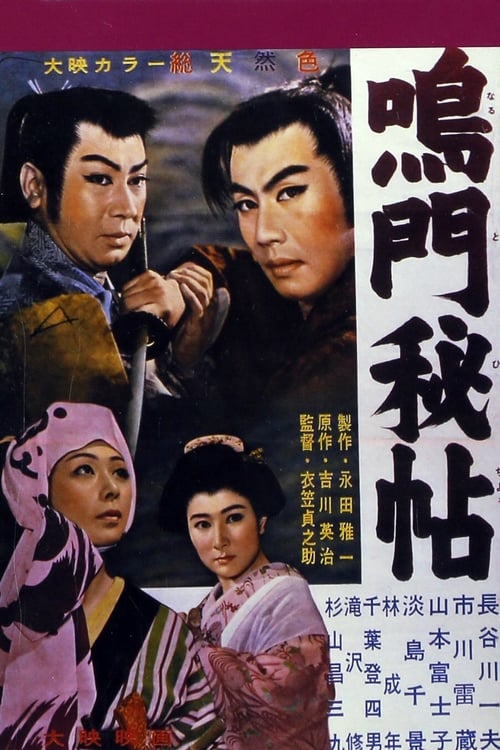
From the pen of Yoshikawa Eiji comes this exciting story. The Naruto Strait separates Tokushima from the island...
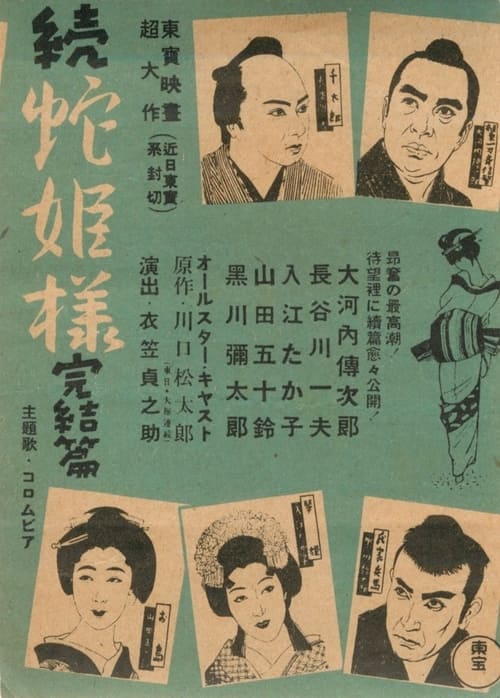
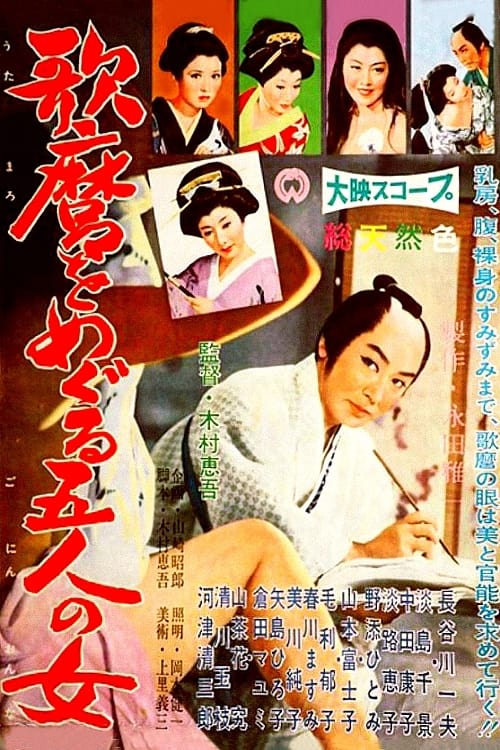
Kitagawa Utamaro is a famous ukiyo-e artist known for his paintings of beautiful women. The courtesan who becam...
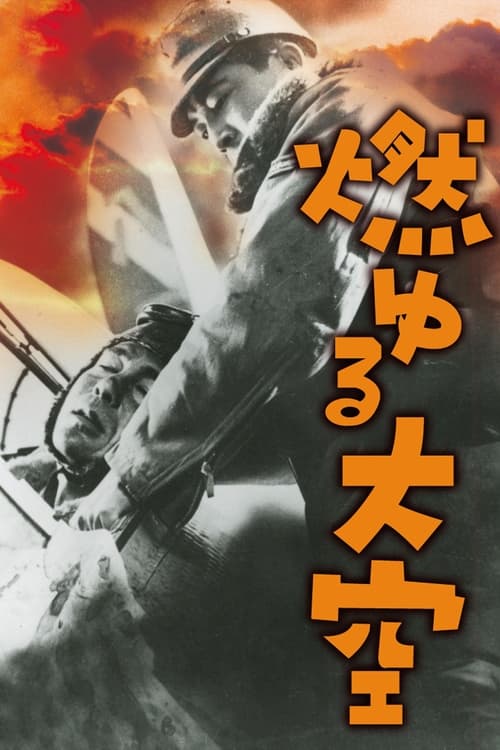
The film was produced during Second Sino-Japanese War, before the Pearl Harbor Attack in 1941. The film mainly...
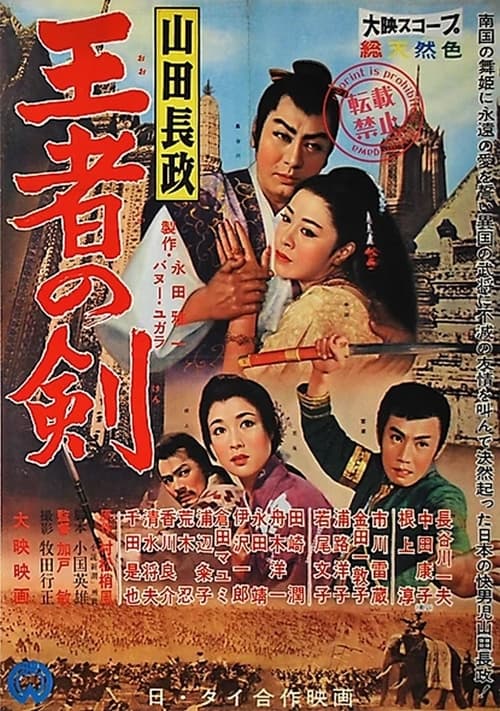
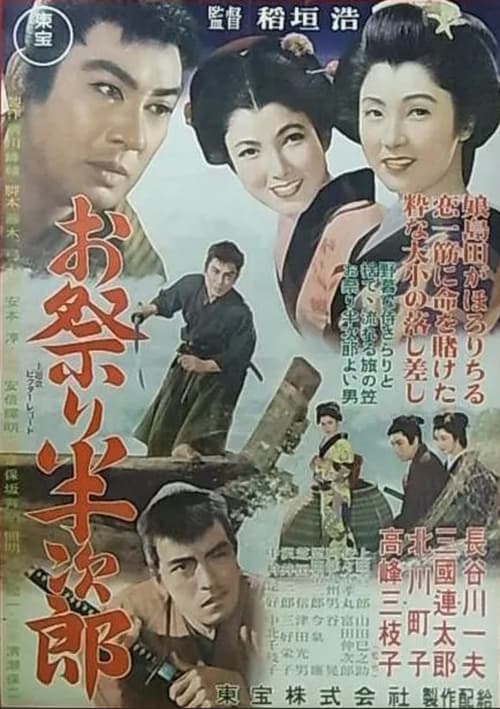
Every year, at the festival, familiar merchants such as Toraemon, a magic trick, Tokubei, a blowgun, Kaji, acro...
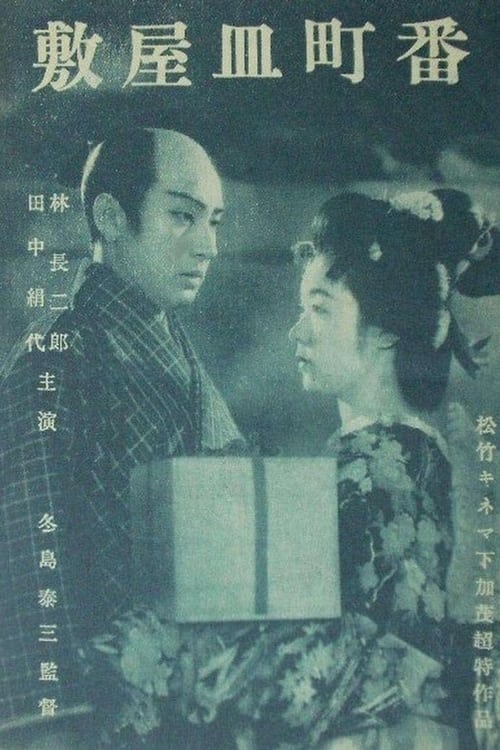
short film about Banchō Sarayashiki.
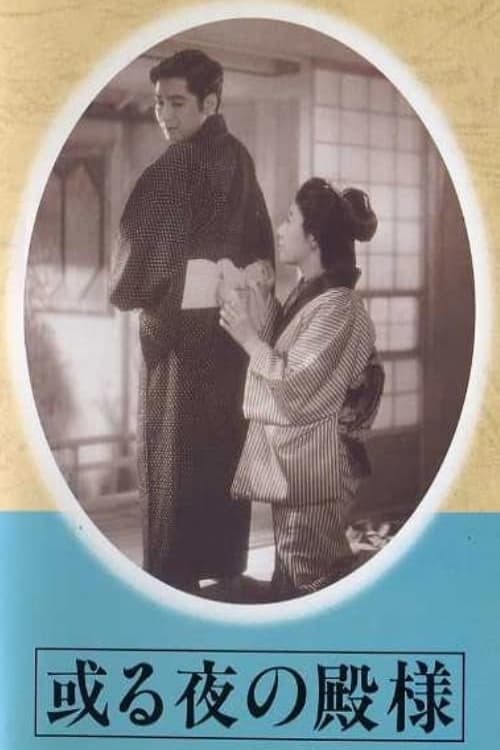
In 1887, two businessmen, Echigo-ya and Kitahara, compete for railroad construction authorization from the gove...
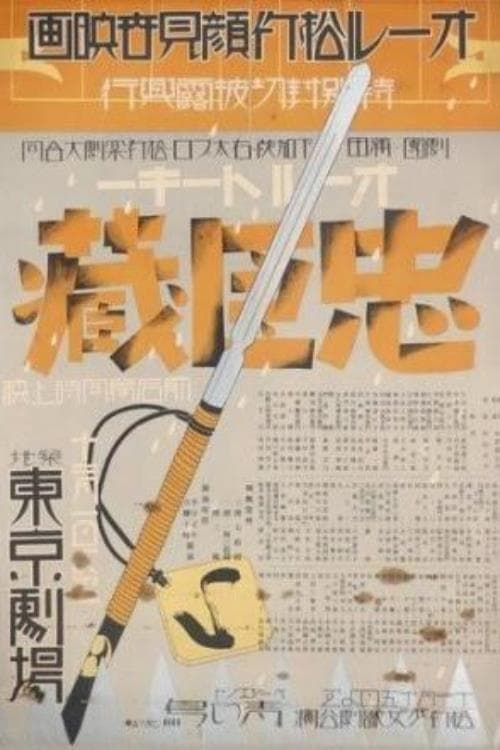
This 1932 adaptation is the earliest sound version of the ever-popular and much-filmed Chushingura story of the...
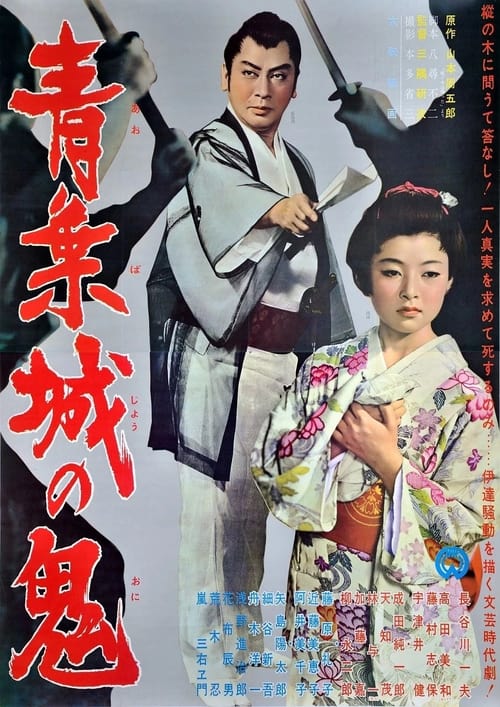
Tsunamune Date, the young lord of Sendai Domain, was ordered by the shogunate to stand down after being spotted...