


Spécial cinéma
1974
star 9.5
Marcello Mastroianni, Isabelle Adjani, Alain Delon, Martin Scorsese, Woody Allen... the biggest stars in cinema...
Directing
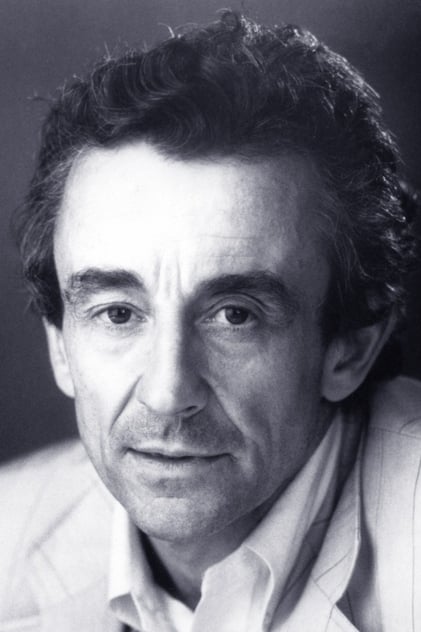
Louis Marie Malle (30 October 1932 – 23 November 1995) was a French film director, screenwriter, and producer. His film "The Silent World" won the Palme d'Or in 1956 and the Academy Award for Best Documentary in 1957, although he was not credited at the ceremony with the award instead being presented to the film's co-director Jacques Cousteau. Later in his career he was nominated multiple times for Academy Awards. Malle is also one of the few directors to have won the Golden Lion multiple times.
Malle worked in both French cinema and Hollywood, and he produced both French and English language films. His most famous films include the crime film "Elevator to the Gallows" (1958), the World War II drama "Lacombe, Lucien" (1974), the romantic crime film "Atlantic City" (1980), the comedy-drama "My Dinner with Andre" (1981), and the autobiographical film "Au Revoir les Enfants" (1987).
Malle was born into a wealthy industrialist family in Thumeries, Nord, France. He initially studied political science at Sciences Po before turning to film studies at IDHEC instead.
He assisted Robert Bresson on "A Man Escaped" (1956) before making his first feature, "Elevator to the Gallows" (1958), a taut thriller featuring an original score by Miles Davis, which made an international film star of Jeanne Moreau, at the time a leading stage actress of the Comédie-Française. Malle was 24 years old.
Malle's "The Lovers" (1958), which also starred Moreau, caused major controversy due to its sexual content, leading to a landmark U.S. Supreme Court case regarding the legal definition of obscenity. Malle is sometimes associated with the nouvelle vague movement, and while Malle's work does not directly fit in with or correspond to the auteurist theories that apply to the work of Godard, Truffaut, Chabrol, Rohmer and others, and he had nothing whatsoever to do with the Cahiers du cinéma, his films do exemplify many of the characteristics of the movement, such as using natural light and shooting on location, and his film "Zazie dans le Métro" (1960), an adaptation of the Raymond Queneau novel, inspired Truffaut to write an enthusiastic letter to Malle.
In 1968 Malle visited India and made a seven-part documentary series "Phantom India" (1969), which was released in cinemas. Concentrating on real India, its rituals and festivities, Malle fell afoul of the Indian government, which disliked his portrayal of the country, in its fascination with the pre-modern, and consequently banned the BBC from filming in India for several years. Malle later claimed his documentary on India was his favorite film.
Malle later moved to the United States and continued to direct there. Just as his earlier films such as "The Lovers" helped popularize French films in the United States, "My Dinner with Andre" was at the forefront of the rise of American independent cinema in the 1980s.
Browse movies and TV shows featuring Louis Malle
Marcello Mastroianni, Isabelle Adjani, Alain Delon, Martin Scorsese, Woody Allen... the biggest stars in cinema...

A talk show presented by Michel Drucker

The BBC's flagship cinema review TV program featuring reviews of new releases, news items and interviews. The t...
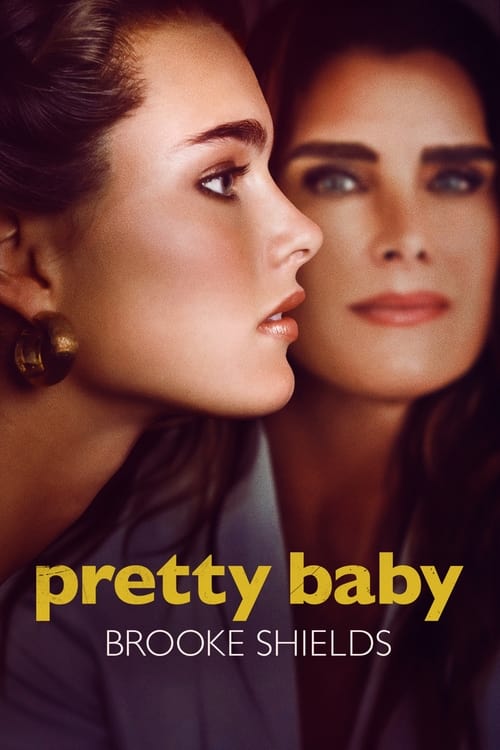
Actor, model, and global superstar Brooke Shields’ journey from a sexualized young girl to a woman who embraces...
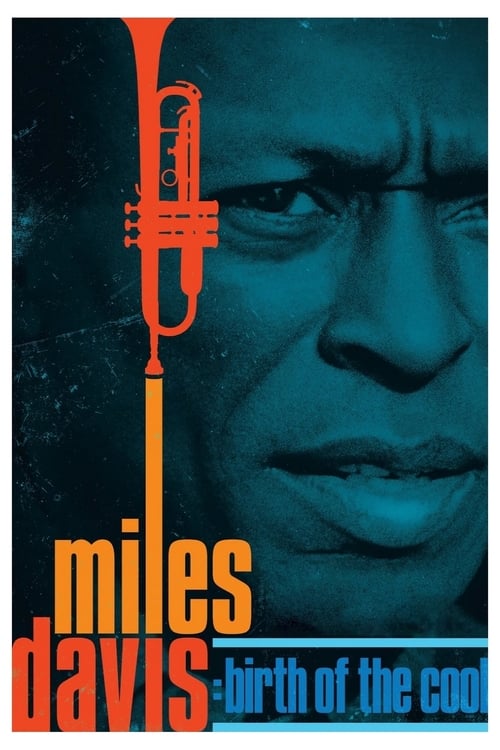
An immersive look at the eventful life and brilliant artistic career of visionary American jazz trumpeter Miles...
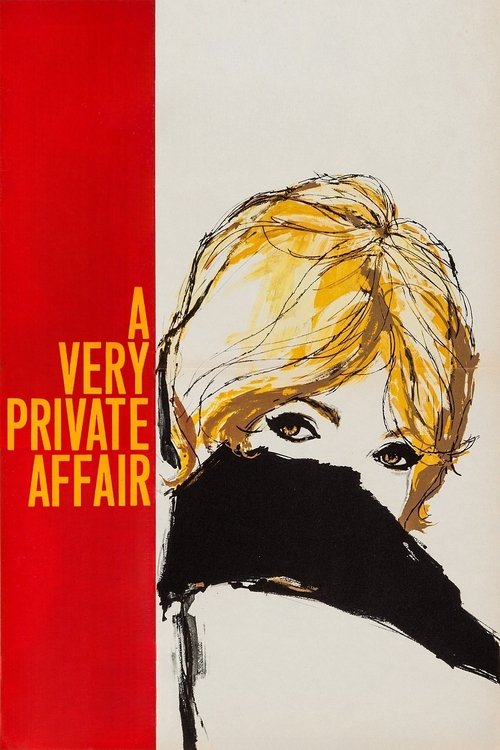
After achieving fame as a movie star, a woman finds her private life invaded by relentless fans, leading her mo...
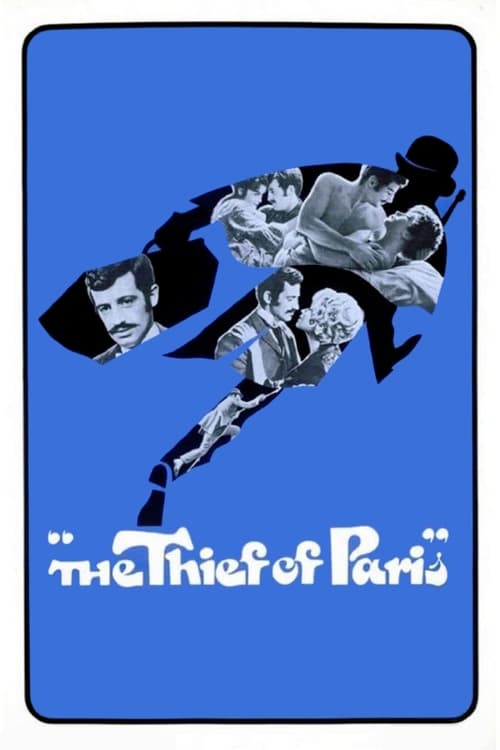
In turn-of-the-century Paris, Georges Randal is brought up by his wealthy uncle, who steals his inheritance. Ge...
A documentary about child actors, since the beginning of motion pictures (narrated by Roddy McDowell).
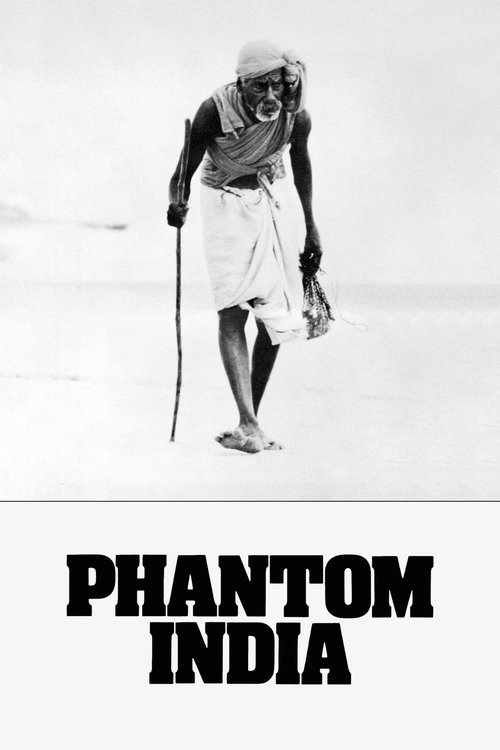
Louis Malle called his gorgeous and groundbreaking Phantom India the most personal film of his career. And this...
Treated as an outcast and exploited by the villagers of a small town, a young woman liberates herself through s...

Three penniless artists become friends in modern-day Paris: Rodolfo, an Albanian painter with no visa, Marcel,...
Adventurer, filmmaker, inventor, author, unlikely celebrity and conservationist: For over four decades, Jacques...
This exhibition focuses on Jonas Mekas’ 365 Day Project, a succession of films and videos in calendar form. Eve...
A chronicle of the 1975 International Press Conclave hosted by Metro-Goldwyn-Mayer over two days in May 1975.
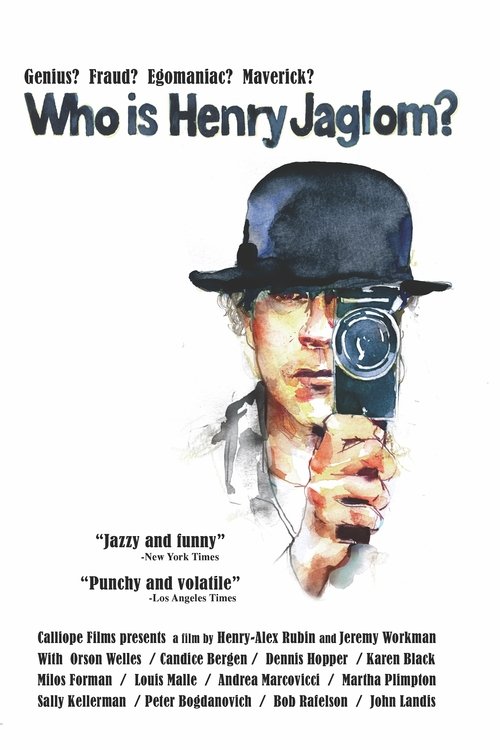
Hailed by some as a cinematic genius, a feminist voice and a true maverick of American cinema, dismissed by oth...
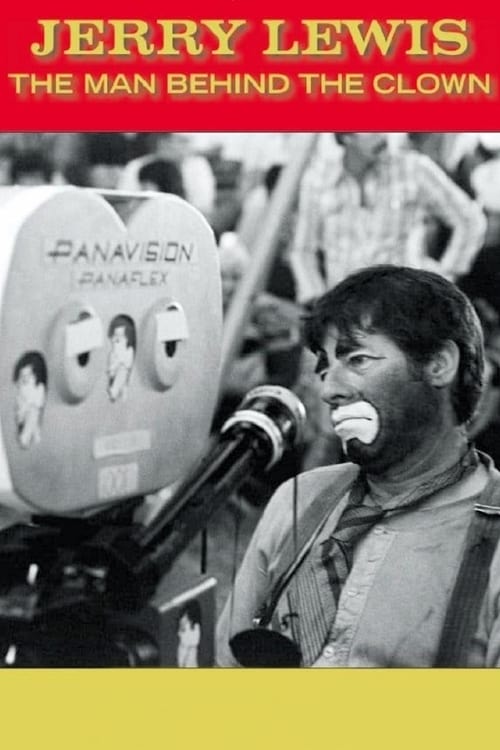
Since the early days, Jerry Lewis—in the line of Chaplin, Keaton and Laurel—had the masses laughing with his vi...
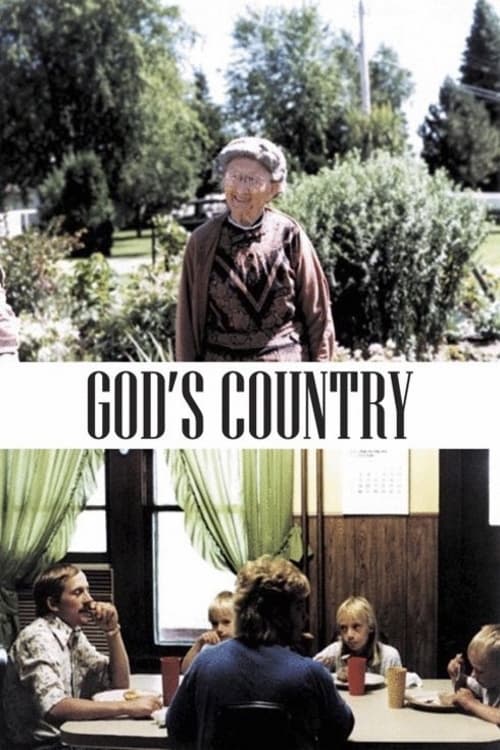
In 1979, Louis Malle films the thriving lives of a Minnesota farming community, but returns six years later to...
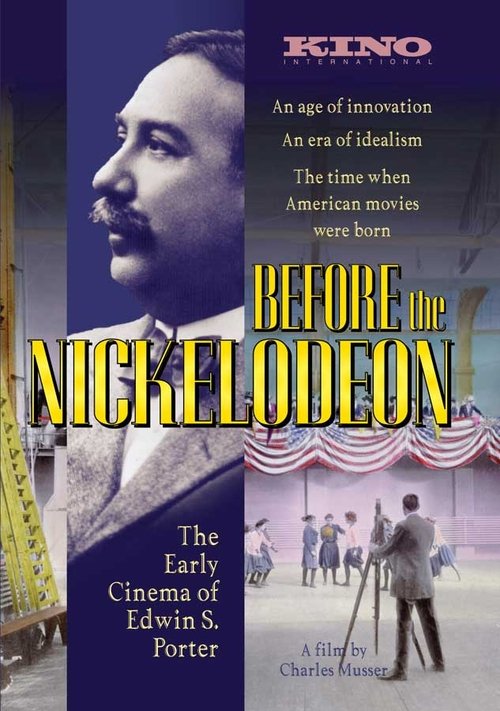
A documentary overview of the career of silent cinema pioneer Edwin S. Porter.
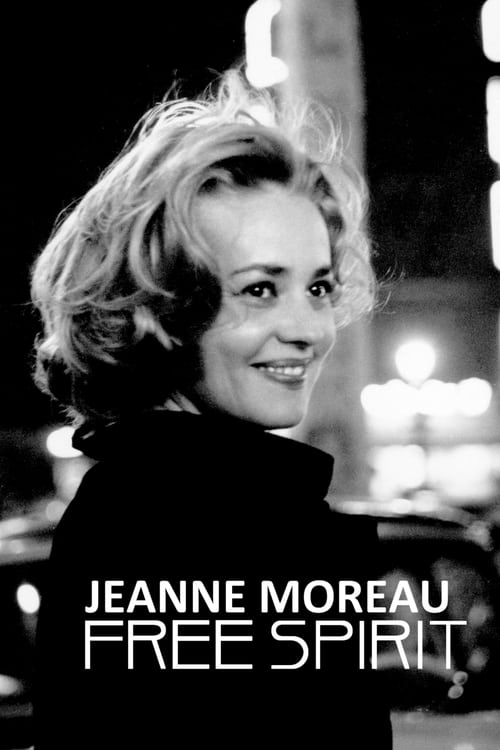
An account of the life of actress Jeanne Moreau (1928-2017), a true icon of the New Wave and one of the most id...
Documentary about the making of Marcel Carne's 1945 film Children of Paradise (France), interviewing the direct...
In 1986, Louis Malle examines the immigrant experience in America by interviewing newcomers from various profes...
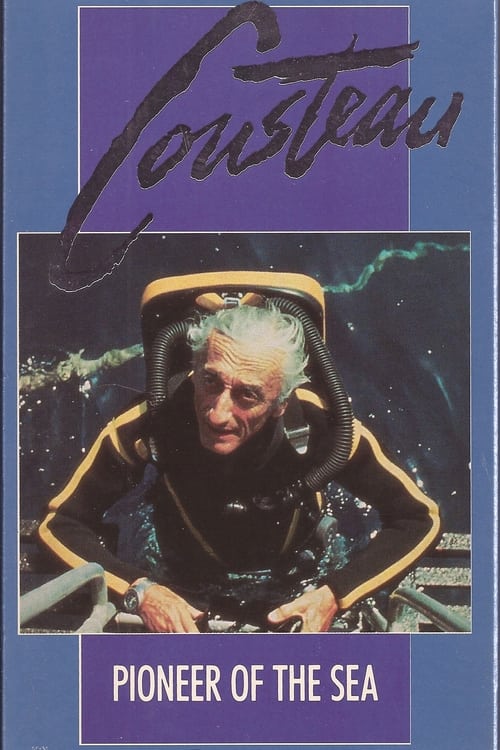
Documentary about the life of explorer Jacques Cousteau.

Part one of a BBC documentary about Jean Renoir.
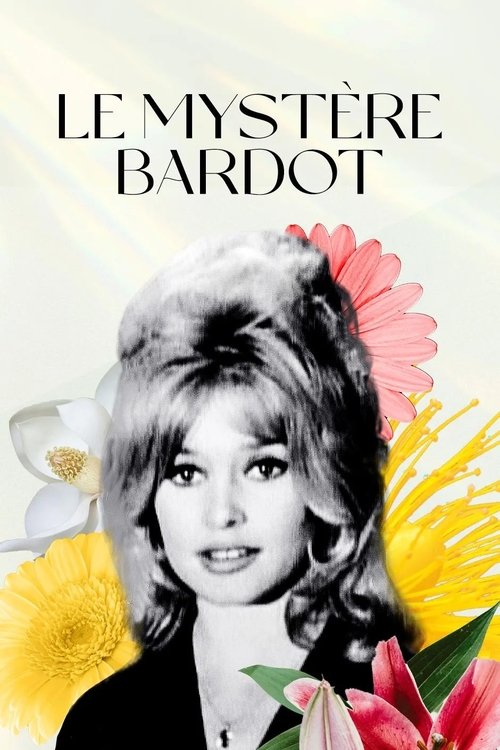
Who hides behind Brigitte Bardot? Extraordinarily photogenic, a tumultuous love life, the ultimate sex symbol f...
About the Gabriel Matzneff affair and pedophilia in French culture and society from the 1950s to the present da...
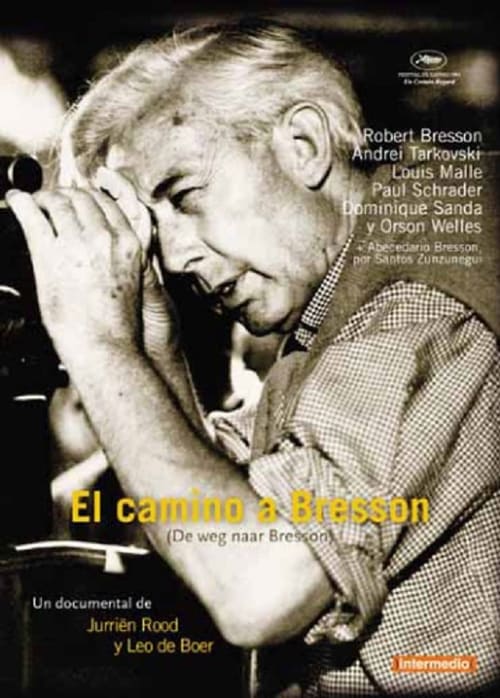
A Dutch documentary about legendary French filmmaker Robert Bresson.
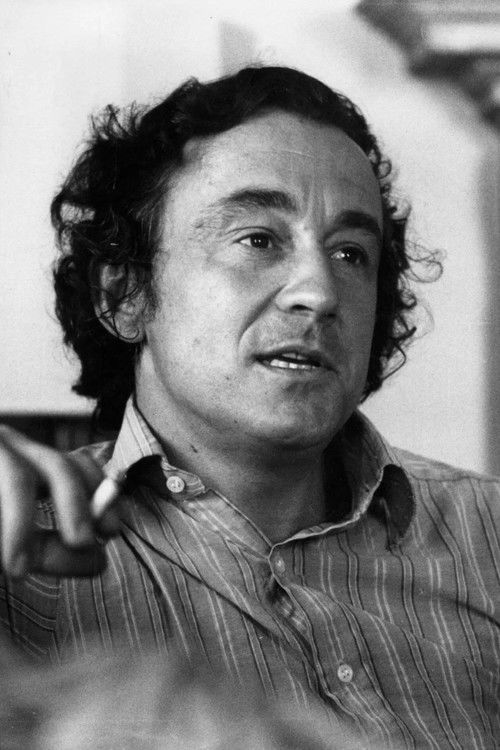
A documentary portrait of the legendary French film director Louis Malle featuring many of his collaborators in...
A documentary, originally produced in 1966 for the French TV series "Pour le plaisir," about Robert Bresson's f...
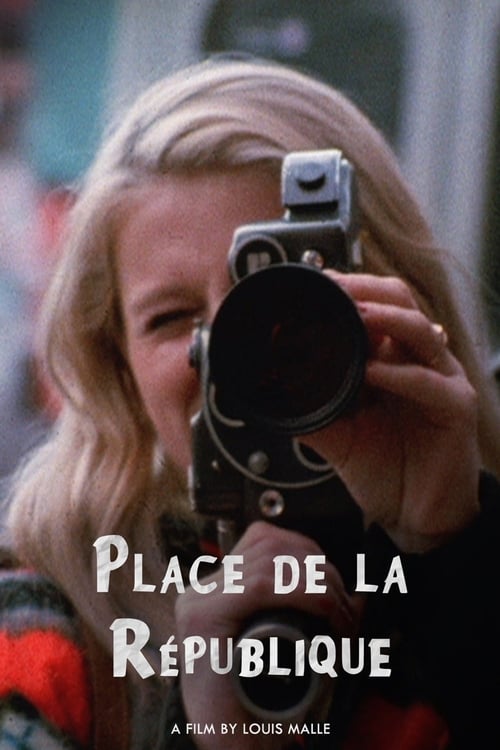
Louis Malle presents his entertaining snapshot of the comings and goings on one street corner in Paris.
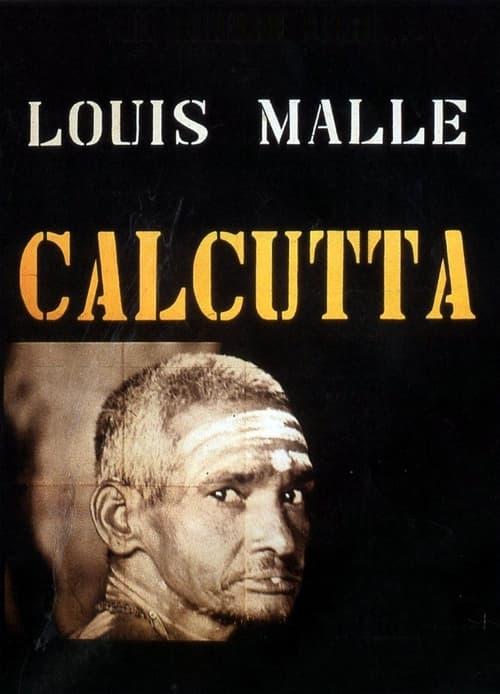
When he was cutting "Phantom India," Louis Malle found that the footage shot in Calcutta was so diverse, intens...
Interview with director Louis Malle conducted by Wallace Shawn, produced for the BBC-TV programme "Arena".
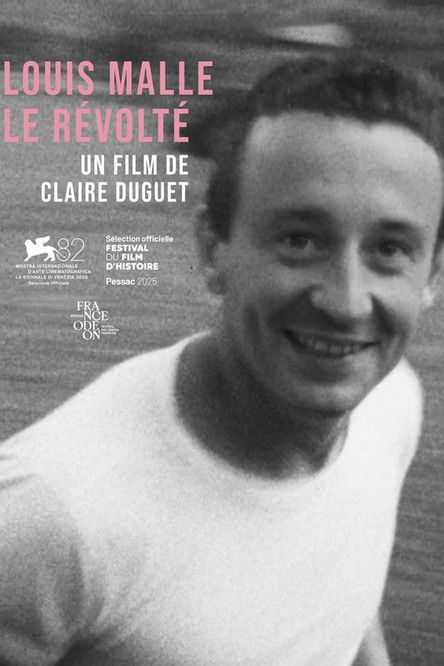
Documentary based on Louis Malle.