


American Experience
1988
star 6.6
TV's most-watched history series brings to life the compelling stories from our past that inform our understand...
Acting
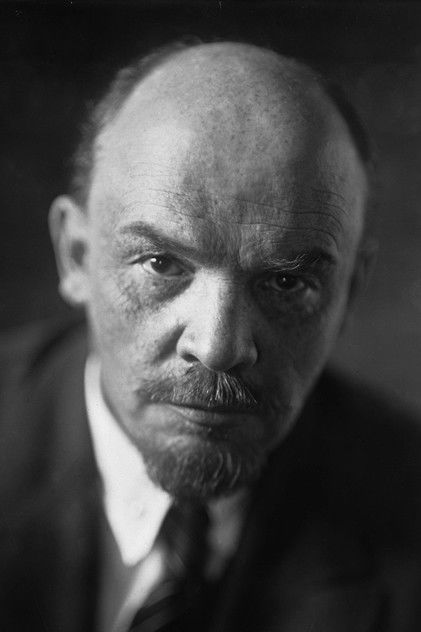
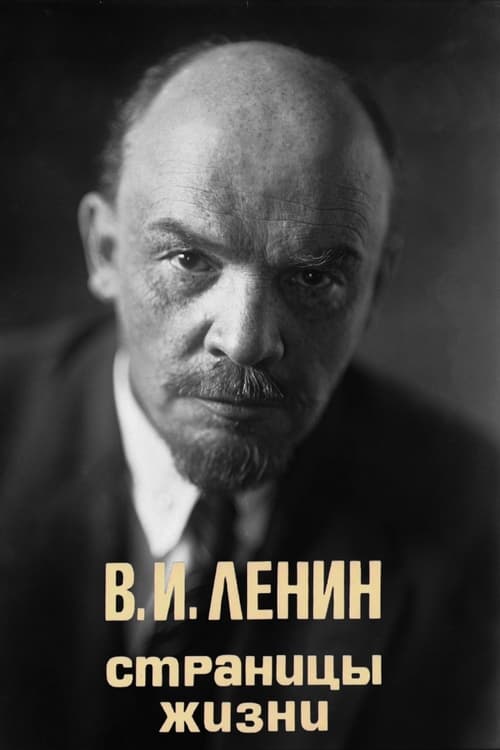
Vladimir Ilyich Ulyanov (22 April 1870 – 21 January 1924), better known by his alias Lenin, was a Russian revolutionary, politician, and political theorist. He served as head of government of Soviet Russia from 1917 to 1922 and of the Soviet Union from 1922 to 1924. Under his administration, Russia and then the wider Soviet Union became a one-party communist state governed by the Russian Communist Party. A Marxist, he developed a variant of this communist ideology known as Leninism.
Born to a moderately prosperous middle-class family in Simbirsk, Lenin embraced revolutionary socialist politics following his brother's 1887 execution. Expelled from Kazan Imperial University for participating in protests against the Russian Empire's Tsarist government, he devoted the following years to a law degree. He moved to Saint Petersburg in 1893 and became a senior Marxist activist. In 1897, he was arrested for sedition and exiled to Shushenskoye for three years, where he married Nadezhda Krupskaya. After his exile, he moved to Western Europe, where he became a prominent theorist in the Marxist Russian Social Democratic Labour Party (RSDLP). In 1903, he took a key role in the RSDLP ideological split, leading the Bolshevik faction against Julius Martov's Mensheviks. Following Russia's failed Revolution of 1905, he campaigned for the First World War to be transformed into a Europe-wide proletarian revolution, which as a Marxist he believed would cause the overthrow of capitalism and its replacement with socialism. After the 1917 February Revolution ousted the Tsar and established a Provisional Government, he returned to Russia to play a leading role in the October Revolution in which the Bolsheviks overthrew the new regime.
Lenin's Bolshevik government initially shared power with the Left Socialist Revolutionaries, elected soviets, and a multi-party Constituent Assembly, although by 1918 it had centralised power in the new Communist Party. Lenin's administration redistributed land among the peasantry and nationalised banks and large-scale industry. It withdrew from the First World War by signing a treaty conceding territory to the Central Powers, and promoted world revolution through the Communist International. Opponents were suppressed in the Red Terror, a violent campaign administered by the state security services; tens of thousands were killed or interned in concentration camps. His administration defeated right and left-wing anti-Bolshevik armies in the Russian Civil War from 1917 to 1922 and oversaw the Polish–Soviet War of 1919–1921. Responding to wartime devastation, famine, and popular uprisings, in 1921 Lenin encouraged economic growth through the market-oriented New Economic Policy. Several non-Russian nations had secured independence from the Russian Empire after 1917, but three were re-united into the new Soviet Union in 1922. His health failing, Lenin died in Gorki, with Joseph Stalin succeeding him as the pre-eminent figure in the Soviet government.
Browse movies and TV shows featuring Vladimir Lenin
TV's most-watched history series brings to life the compelling stories from our past that inform our understand...
Explore the world’s most fascinating, strange and inexplicable mysteries. Each episode features compelling cont...
Unfolding over six years, what begins as an impulsive one-off gathering turns into an ever-growing annual event...
Communism spread to all of the continents of the word, lasting through four generations and over seven decades....
A detailed account of the two millennia of intolerance and persecution suffered by the Jews, from antiquity to...
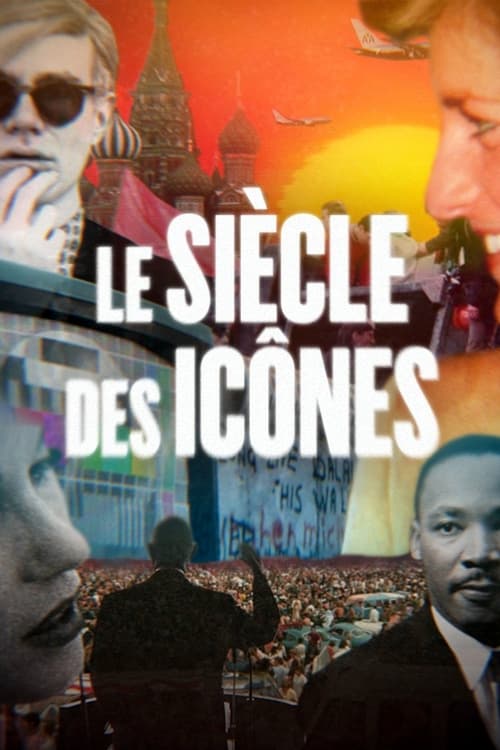
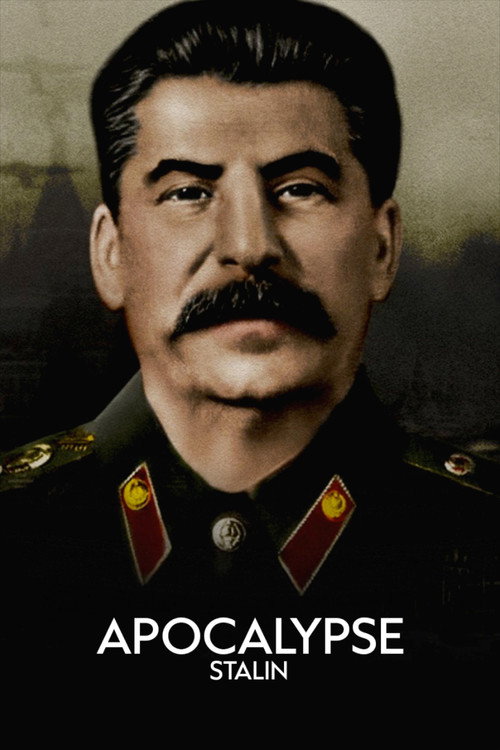
The rise of Stalin, from his early beginning as a bankrobber to the cold-blooded leader of the Soviet Union.
A visual montage portrait of our contemporary world dominated by globalized technology and violence.
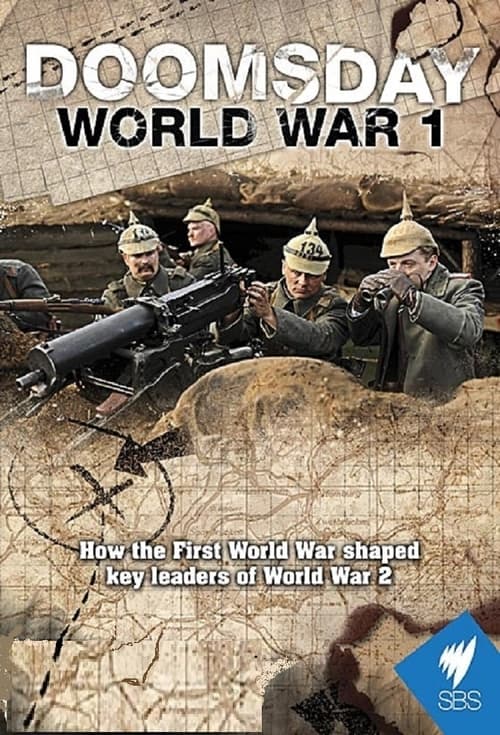
The First World War - carnage on a scale never-before seen. But how did it all start? And how did some key figu...
Since the late 18th century American legal decision that the business corporation organizational model is legal...

Documentary exploring the parallels between 'The Return of the King' and real events and people in history.
A historical perspective to understand Neoliberalism and to understand why this ideology today so profoundly in...
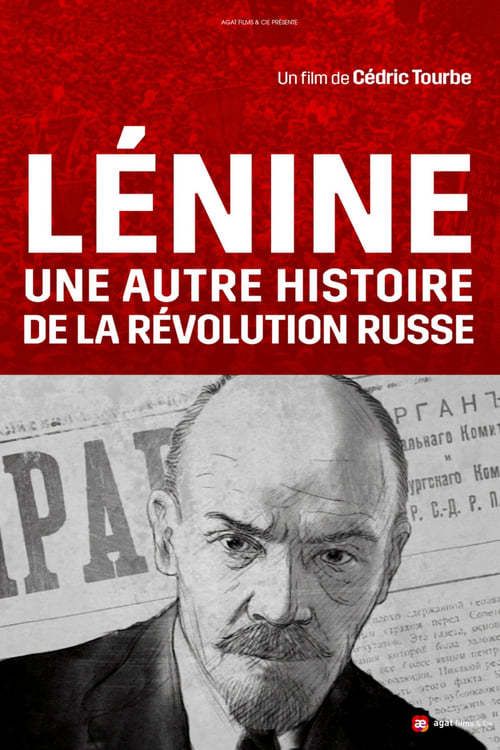
Vladimir Ilyich Ulyanov, better known as Lenin, is remembered as the instigator of the October Revolution of 19...
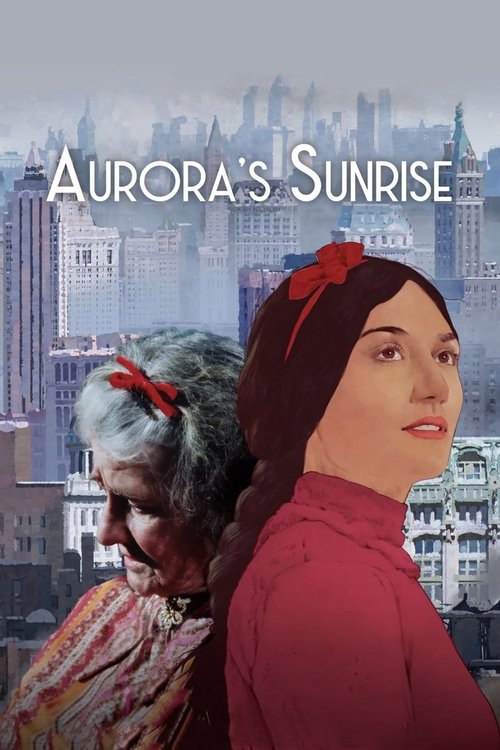
The story of how Aurora Mardiganian (1901-94), a survivor of the Armenian genocide perpetrated by the Ottoman E...
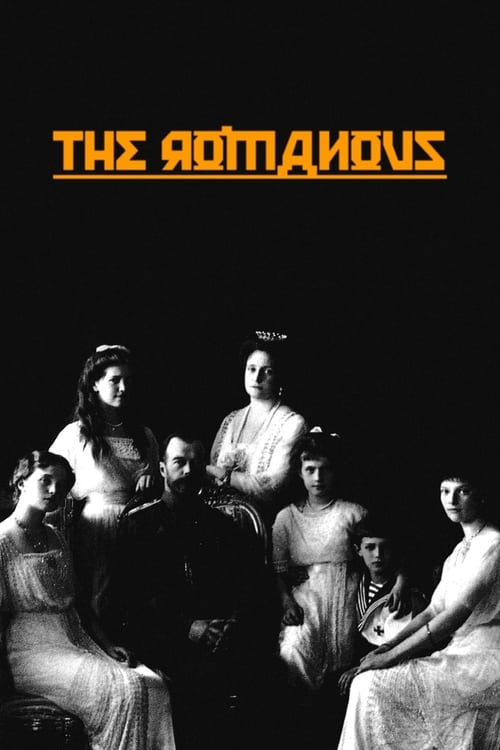
Yekaterinburg, Russia, July 17th, 1917. Czar Nicholas II Romanov and his entire family are brutally murdered by...
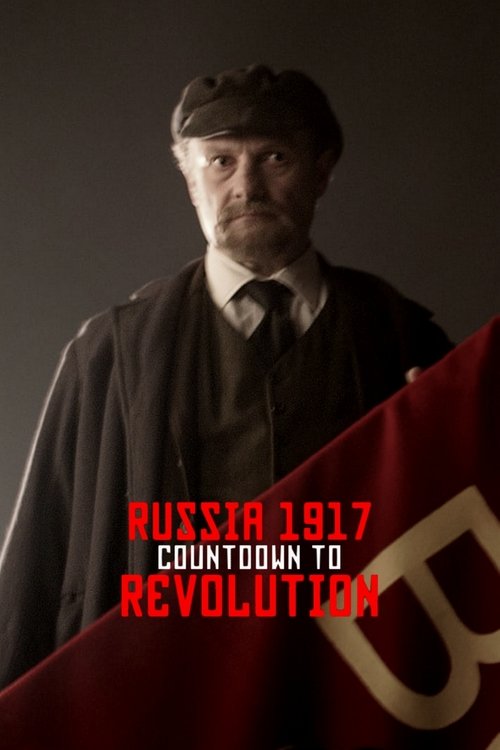
Russia, 1917. After the abdication of Czar Nicholas II Romanov, the struggle for power confronts allies, enemie...
Documentary footage (from the 1950s) and accompanying commentary to attempt to answer the existential question,...
A chronicle of the Russian Revolution of 1917, from the bourgeois democratic February Revolution to the great s...
Biographical documentary about Maxim Gorky.

A double portrait of two dictators who were thousands of miles apart but were constantly fixated on each other.

After escaping Russia's communist revolution, Léon Theremin travels to New York, where he pioneers the field of...
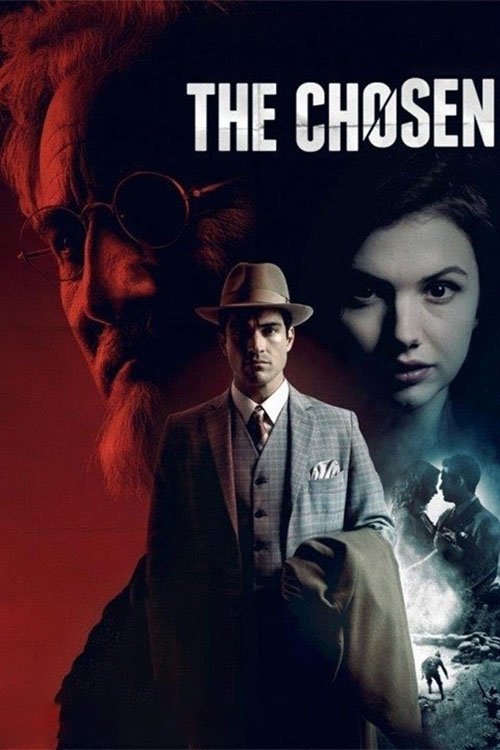
Spain, 1937. Ramón Mercader, a young communist combatant, is recruited and trained by the Soviet intelligence s...
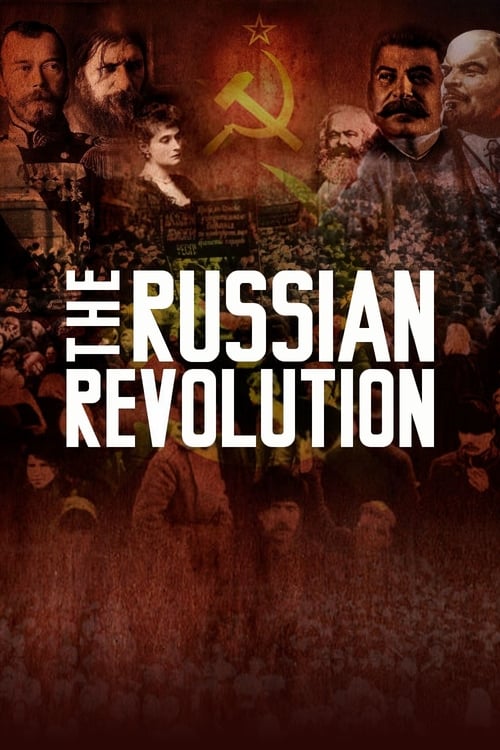
Starting in 1881 this film shows the personal battle between Lenin's Ulyanov family and the royal Romanovs that...
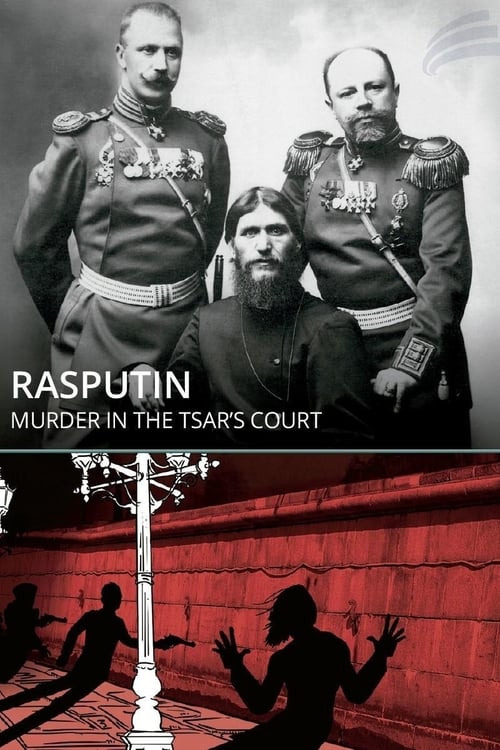
St. Petersburg, Russia, December 30th, 1916. Grigori Rasputin is assassinated. The story of the humble peasant...
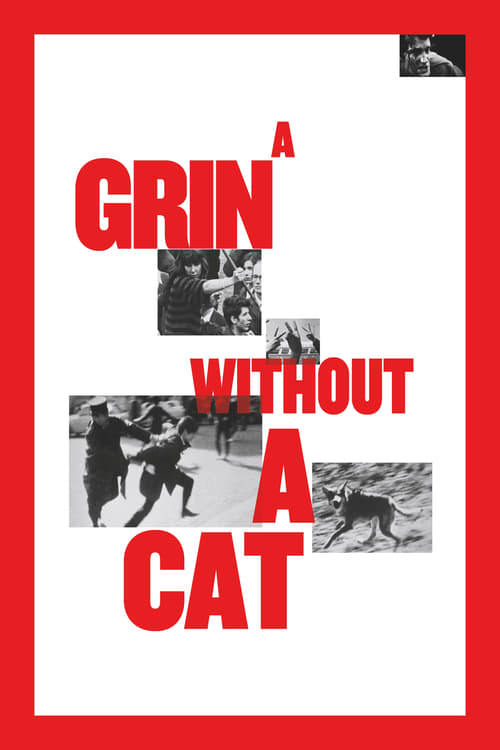
Chris Marker’s A Grin Without a Cat is an epic political essay tracing the rise and decline of the global left...
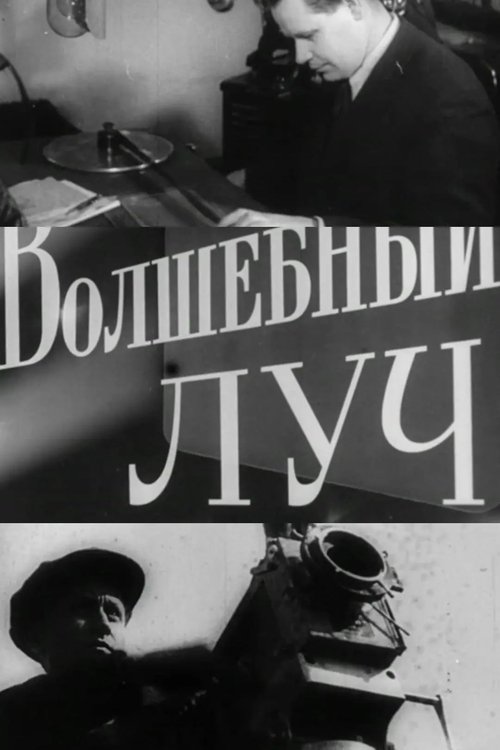
“The Magic Beam” is a film essay woven together from newsreels and documentary material from different decades,...
The real reasons and orchestrators behind Hitler, to an incredible theory of the JFK assassination, all the way...
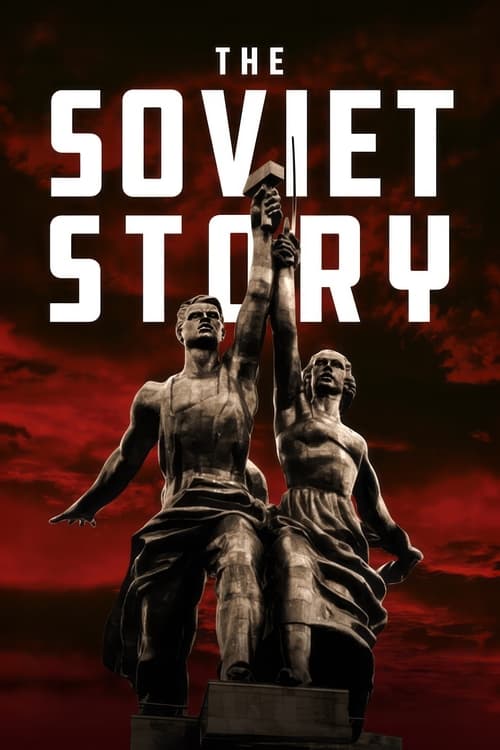
“The Soviet Story” is a story of an Allied power, which helped the Nazis to fight Jews and which slaughtered it...
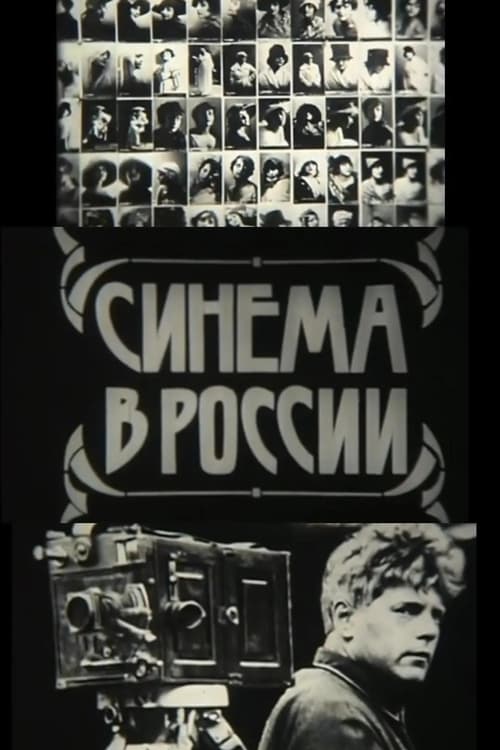
Documentary film about early years of Russian cinema: its first directors, cameramen, producers and actors. Inc...
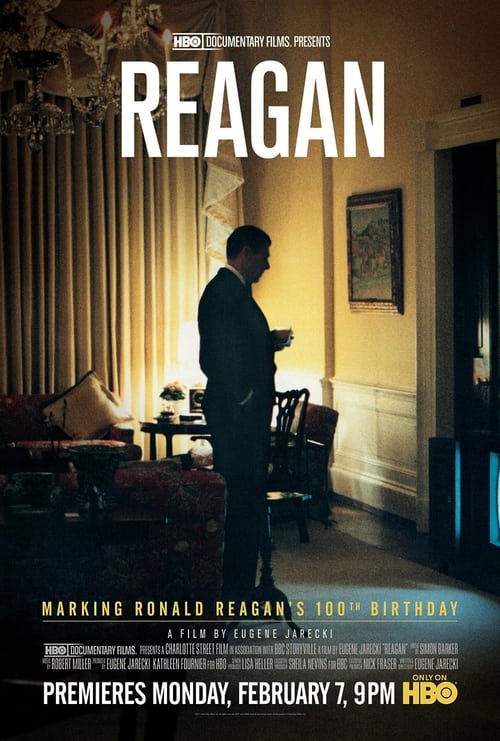
Based on the story of Americas enigmatic career of one of the revered architects of the modern world - icon, sc...

Guy Debord's analysis of a consumer society.
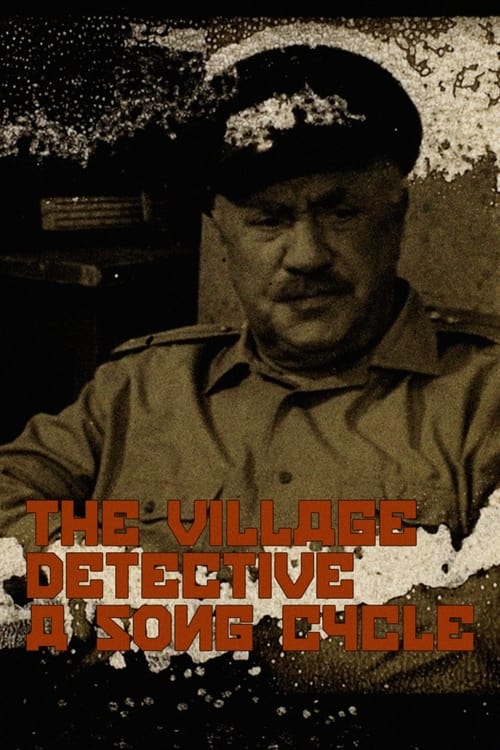
Atlantic Ocean, off the coast of Iceland, July 9, 2016. The surprising discovery of a canister —containing four...