


Love, Be with Humanity: Part 2
1931
star 8.0
The three-hour Ai yo jinrui to tomo ni are / Love, Be with Humanity (1931) starts as a satire of alienation in...
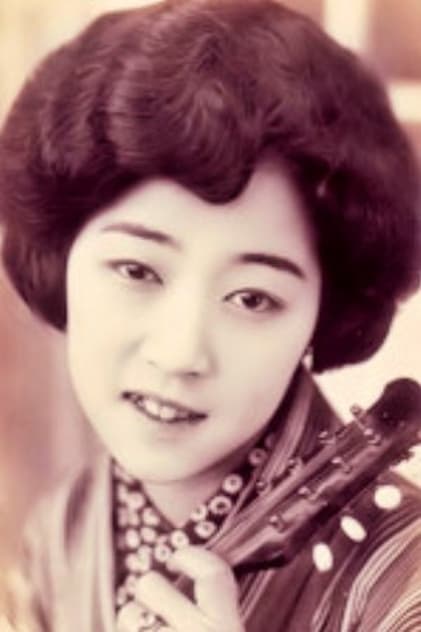
Acting
Yukiko Tsukuba (June 10, 1906 – June 8, 1977) was a Japanese actress on stage, in silent films, and in early sound films. She was also the All-Japan women's billiards champion in 1929. Tsukuba was born in Tokyo. She trained as a geisha, and became an internationally publicized beauty and film star while she was still in her teens. Tsukuba began her screen career at the Shochiku studio, working with directors including Yasujiro Shimazu, Hiroshi Shimizu, Yoshinobu Ikeda, Heinosuke Gosho, Kiyohiko Ushihara, Buntaro Futagawa, Torajiro Saito, and Mikio Naruse. She was dubbed "the Mary Pickford of Japan" in a 1926 American newspaper. With actor Tsuzuya Moroguchi, Tsukuba started a short-lived production company, in 1927.
Tsukuba married businessman and politician Jinkichi Terada [ja] in 1942. Her husband died in 1976, and she died in 1977, from stomach cancer, at the age of 70, in Setagaya.
Browse movies and TV shows featuring Yukiko Tsukuba
The three-hour Ai yo jinrui to tomo ni are / Love, Be with Humanity (1931) starts as a satire of alienation in...
The three-hour Ai yo jinrui to tomo ni are / Love, Be with Humanity (1931) starts as a satire of alienation in...

A hard-working new employee at a trading company is promoted through the company president's business. However,...
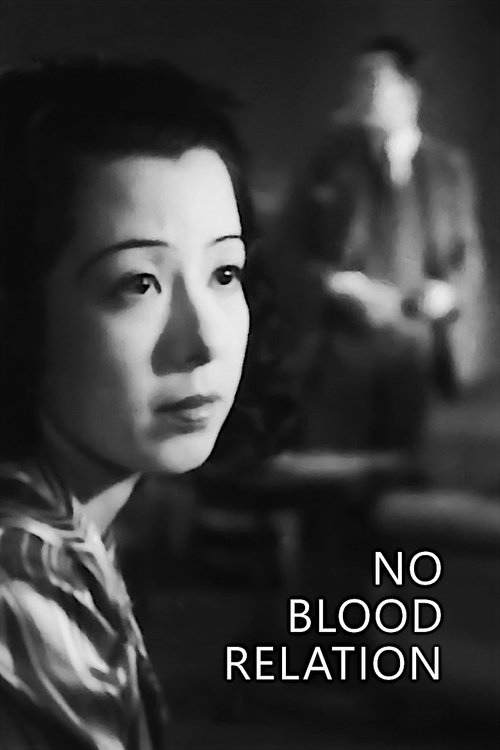
An actress returns to Tokyo after a successful stint in Hollywood to reclaim—with the help of her gangster brot...
Japanese silent film from 1929.
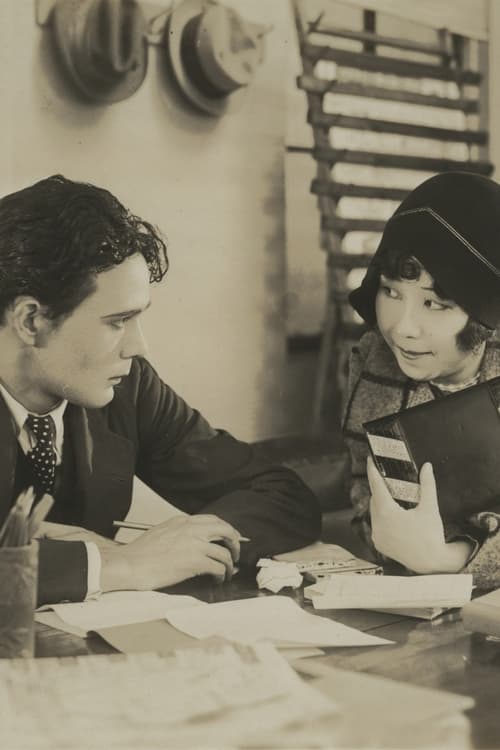
A modern girl suddenly intrudes into a widower's family home.
A feature-length work based on Kan Kikuchi’s newspaper novel, adapted for the screen by Kōgo Noda. With perform...
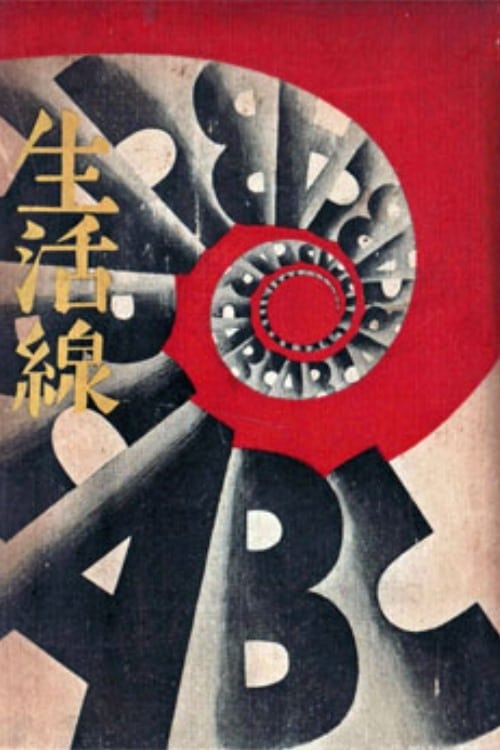
Japanese silent film directed by Yasujirô Shimazu, originally released as a two-part movie on December 11, 1931.
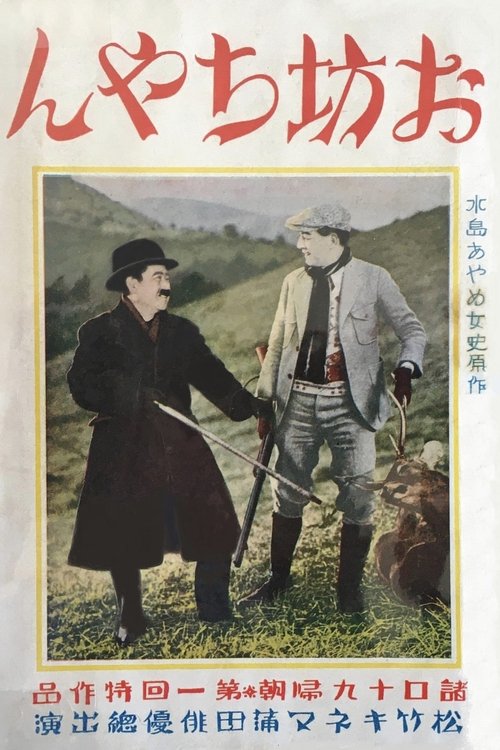
Japanese silent film from 1926. (Obo-chan meaning "Young Master.") Written by Ayame Mizushima, the first female...
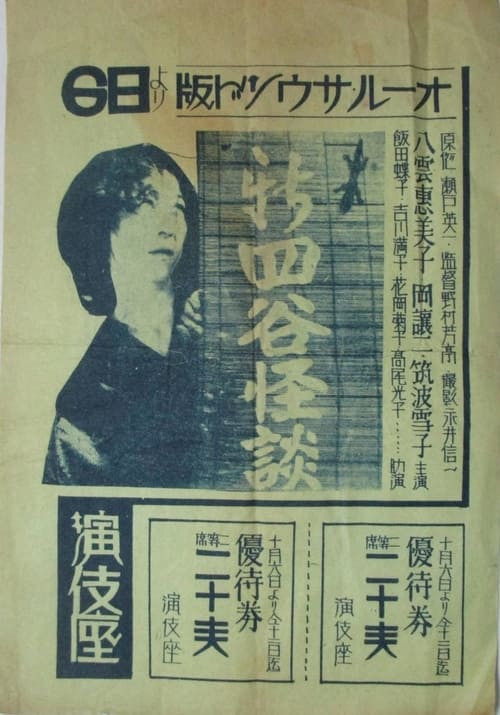
Early silent film from Hiroshi Shimizu.
Japanese silent film from 1928.
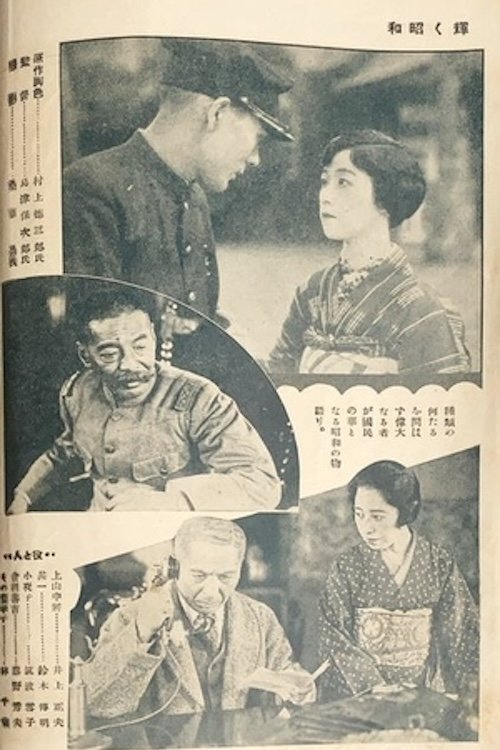
Japanese silent film from 1928.
Japanese film from 1932.
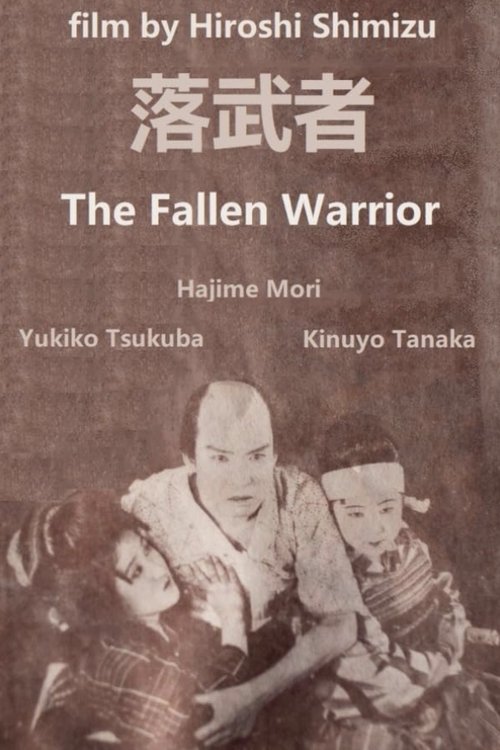
A period drama about samurai who survived a loss in battle. An early jidaegeki by Hiroshi Shimizu.